






Methods for Detecting Changes in Protein Glycosylation Modification Levels
Protein glycosylation is an important post-translational modification process that affects protein folding, stability, activity, and cell-cell interactions.
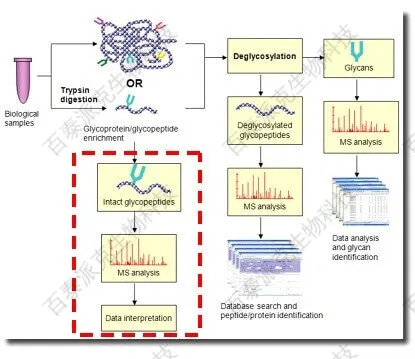
Figure 1. Glycosylation modification research pathway
The level of glycosylation modifications on proteins can be assessed using various methods, each with its own characteristics and applicable scenarios. Here are some common techniques:
1. Mass Spectrometry (MS):
MS is a very powerful technique, especially when combined with liquid chromatography (LC-MS/MS), which can be used to identify glycosylation sites on proteins as well as detailed information about their types and modification levels. Proteins are first enzymatically digested into peptides, and then glycopeptides are analyzed by mass spectrometry for mass and sequence. By comparing the relative abundance of the same glycopeptides in different samples, quantitative analysis of changes in glycosylation levels can be performed.
2. Western Blot:
By using specific antibodies, the glycosylation level of specific proteins can be detected. Glycosylation modifications usually affect the molecular weight of proteins, hence changes in migration can be observed in gel electrophoresis.
3. Lectin Affinity Chromatography:
Utilizes the specific binding of lectins to glycosylated proteins or peptides. Lectin affinity chromatography can enrich specific types of glycosylated proteins, which can then be further analyzed, such as by mass spectrometry.
4. Flow Cytometry:
If the target protein is expressed on the cell surface, flow cytometry combined with glycosylation-specific antibodies can be used to detect the glycosylation status of cell surface proteins.
5.HPLC (High-Performance Liquid Chromatography):
HPLC can be used to analyze released glycans from proteins by separating different glycans using various types of columns (e.g., hydrophilic interaction chromatography, reverse phase chromatography). When combined with fluorescence or mass spectrometry detectors, quantitative and qualitative analysis of glycans can be achieved.
6. Enzyme-Linked Immunosorbent Assay (ELISA):
This is a commonly used quantitative analysis method that uses specific antibodies to detect changes in protein glycosylation levels.
Each of these methods has its own application range and limitations. For example, mass spectrometry provides the most detailed information, but the equipment is costly and requires strict technical expertise; Western blot is relatively simple but may not be as precise as mass spectrometry. Therefore, the choice of method depends on the specific purpose of the experiment and the available resources.
Biotech Co., Ltd. — A leading service provider of bioproduct characterization and multi-omics mass spectrometry analysis.
Related services:
Quantitative Glycoproteomics Studies
Post-Translational Modification Proteomics Analysis
Histone Post-Translational Modification Analysis
Quantitative Proteomics Analysis
Label-Free Quantitative Proteomics Analysis
Label-based Quantitative Proteomics Techniques - iTRAQ, TMT, SILAC
How to order?




