






N-terminal Sequence Analysis of Proteins
Protein synthesis begins at the N-terminus, and the sequence composition of the protein N-terminus affects the overall biological function of the protein.For example, the N-terminal sequence affects the half-life of proteins and is related to the subcellular localization of proteins.N-terminal sequencing analysis of proteins helps to analyze the advanced structure of proteins and reveal their biological functions.With the development of the modern pharmaceutical industry, a large number of protein and peptide drug molecules have emerged.The analysis and confirmation of the N-terminal sequences of these protein drug molecules are also important aspects of quality control in the pharmaceutical industry.The N-terminal region is also an important structural and functional site for proteins and peptides, and most proteins can be recognized by a few amino acid residues at the N-terminus.For example, identifying artificial modification sites at the N-terminus of protein and peptide drugs, such as cyclization or methylation modifications, can lay the foundation for improving their degradation stability and extending drug efficacy.
Protein N-terminal sequence analysis techniques
Edman degradation
- Edman degradation sequencing principle
Edman degradation is a very mature and classic method for N-terminal sequencing of proteins and peptides, widely used in the field of biotechnology. The principle of Edman degradation sequencing mainly involves cyclic reactions to sequentially identify amino acid types from the N-terminus of proteins, thereby determining the N-terminal sequence of proteins. Phenylisothiocyanate (PITC) reacts with the N-terminal amino group of the peptide to be analyzed under alkaline conditions to generate a phenylthiocarbamyl derivative, which is then treated with acid. The N-terminal of the peptide chain is selectively cleaved, releasing the thiazolinone amino acid derivative of the amino acid residue. The extracted amino acid derivatives are converted into stable phenylthiohydantoin (PTH-amino acids) under strong acidic conditions, and the degraded PTH-amino acids can be analyzed using HPLC or electrophoresis to obtain the N-terminal sequence information of the protein or peptide.
- Advantages of Edman degradation sequencing
The Edman degradation method has been widely used as the gold standard for detecting the N-terminal sequence of existing protein samples. It is a valuable research tool and the most reliable sequencing method for analyzing the N-terminal sequence of purified proteins.
- Disadvantages of Edman degradation sequencing
The Edman degradation method is subject to many limitations, such as requiring the proteins or peptides for sequence analysis to be of high purity, being unsuitable for high-throughput analysis, and lacking sensitivity.
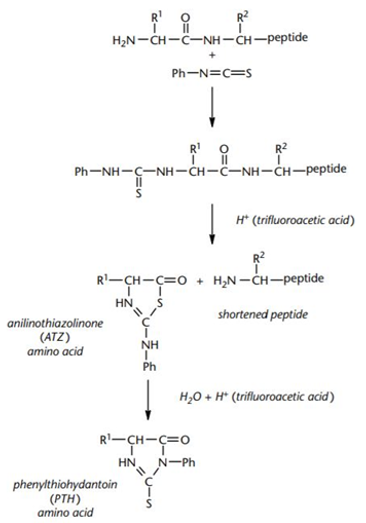
Figure 1. Polypeptide Edman Degradation N-terminal Sequencing
Mass spectrometry
Mass spectrometry-based protein N-terminal sequence sequencing technology can simultaneously determine the N-terminal sequences of multiple proteins at once, especiallyElectrospray ionization(ESI) andMatrix-assisted laser desorption/ionization time-of-flight(MALDI-TOF). High-sensitivity, high-precision, high-resolution, and high-throughput biological mass spectrometry technology provides important tools for protein N-terminal sequencing. Mass spectrometry-based N-terminal sequencing technology can achieve the sequence determination of N-terminal blocked and PEGylated proteins, complementing Edman sequencing.
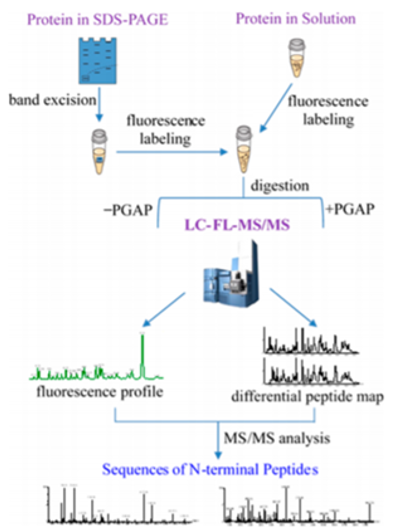
Figure 2. Workflow for Identification and Sequencing of N-Terminal using Mass Spectrometry
Chemical labeling combined with mass spectrometry analysis
Many research methods for N-terminal peptides use mass spectrometry technology combined with various chemical and enzymatic methods. For example, proteins are blocked through side chain amino reduction, alkylation, and guanidination. Free N-terminal is labeled with different biotin reagents. After labeling, proteins are digested with trypsin, and the labeled N-terminal peptides are separated through an avidin affinity system, followed by de novo sequencing using MALDI-TOF/MALDI-TOF-PSD MS to obtain the sequence of the N-terminal peptides.
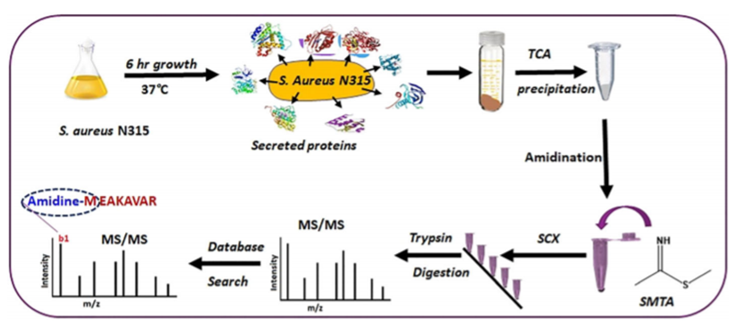
Figure 2. Chemical Labeling/Mass Spectrometry Workflow
With the continuous development and improvement of classical methods, various mass spectrometry-based chemical modifications, and enzyme-assisted techniques, protein N-terminal sequence analysis has obtained abundant sequence information, providing strong evidence for accelerating terminal peptide identification.N-terminal sequencing analysis technology for thousands of proteins in complex biological systems is still a major challenge we face, especially for more detailed large-scale determination of N-terminal modification diversity, which requires more targeted research strategies.
Biotech Company -- Characterization of Bioproducts, High-Quality Services for Multi-Omics Mass Spectrometry Analysis
Related services:
Protein N-terminal sequencing based on Edman degradation
Protein N/C-terminal sequencing
Sequence analysis based on mass spectrometry
Protein sequencing based on mass spectrometry
Antibody sequencing based on mass spectrometry
Peptide sequencing based on mass spectrometry
Protein N-terminal sequencing based on Edman degradation
Protein sequencing based on Top-down approach
How to order?




