






How to Choose and Optimize Protein Sequencing Methods: Key Principles and Steps Discussion
Protein sequencing is a crucial analytical technique in the field of biologics, revealing the amino acid sequence and structural information of proteins, thereby providing key data for protein research and biopharmaceutical development. However, when selecting and optimizing protein sequencing methods, scientists need to consider various factors. This article will explore in detail the key principles and steps for selecting and optimizing protein sequencing methods, helping readers understand how to optimize protein sequencing based on these principles and steps.
1. Key Principles for Selecting and Optimizing Protein Sequencing Methods
(a) Target Protein:Determine the target protein to be sequenced based on research objectives and needs. Consider factors such as the size, complexity, and abundance of the protein to select a suitable sequencing method.
(b) Sequencing Depth:Determine the necessary sequencing depth to achieve sufficient coverage and accuracy. This depends on the complexity of the protein and the goals of the research.
(c) Technical Feasibility:Evaluate the technical feasibility of different sequencing methods, considering factors such as the maturity of the technology, experimental conditions, and availability of equipment.
2. Steps to Optimize Protein Sequencing
(a) Sample Preparation:Choose appropriate sample preparation methods such as protein extraction, purification, and digestion. Ensure the quality and purity of the sample to obtain reliable sequencing results.
(b) Sequencing Method Selection:Select an appropriate sequencing method based on the target protein and research needs, such as mass spectrometry sequencing, N-terminal microsequencing, etc. Consider factors like technological characteristics, sensitivity, and resolution.
(c) Data Analysis:Conduct accurate and effective analysis of sequencing data. Use appropriate protein databases and bioinformatics tools for protein sequence identification, quantification, and annotation, etc.
3. Optimization Strategies for Protein Sequencing
(a) Optimization of Mass Spectrometry Methods:Optimize the parameter settings of mass spectrometry instruments, such as ion sources, fragmentation methods, and mass spectrometric analysis modes, to improve sensitivity and resolution.
(b) Data Processing and Interpretation: Use efficient data processing software and algorithms for accurate interpretation and annotation of sequencing data, including spectrum matching, modification analysis, and protein quantification.
(c) Validation and Reproducibility:Conduct validation experiments and repeat sequencing to ensure the accuracy and reproducibility of sequencing results.
4. Conclusion
Selecting and optimizing protein sequencing methods is a key step in protein sequence analysis. Scientists should choose suitable sequencing methods based on key principles and steps, and enhance the quality and reliability of sequencing results through optimization of sample preparation, data analysis, and instrument parameters. This will aid in advancing protein research and biopharmaceutical development.
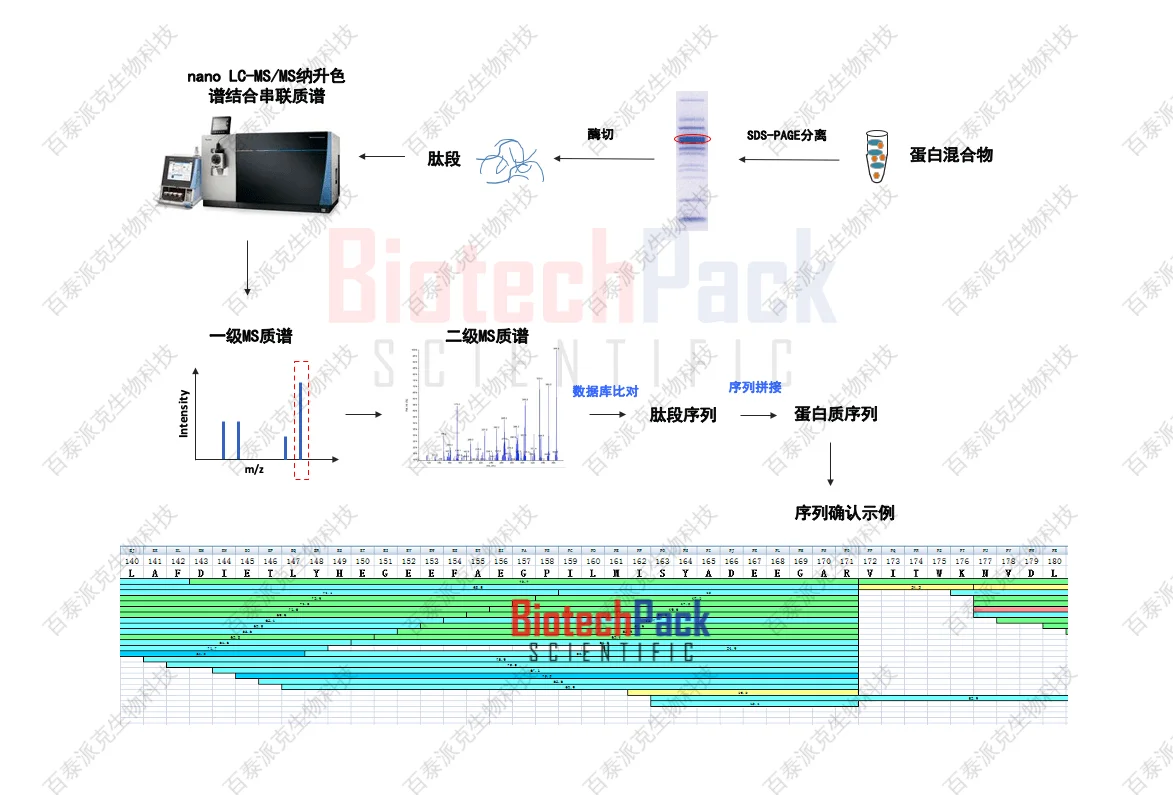
Figure 1
Biotage Technology Co., Ltd. – A premium service provider for bioproduct characterization and multi-omics mass spectrometry detection
Related Services:
Protein Sequencing
Protein N/C-terminal Sequencing
Biopharmaceutical N/C-terminal Sequencing
Edman Degradation-based Protein N-terminal Sequencing
Full Protein Sequence Determination
De Novo Protein Sequencing
Top-down Protein Sequencing
Mass Spectrometry-based Sequence Analysis
Peptide Sequencing
Antibody Sequencing
How to order?




