






Protein Quantification
Protein quantification is a commonly used technique in experimental biology for measuring the concentration or total amount of protein in a sample. This measurement is crucial in fields like biochemistry, molecular biology, and medical research.
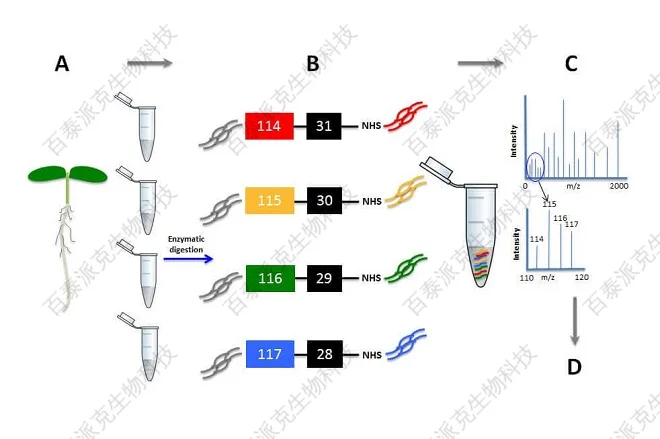
Figure 1. Quantitative Proteomics Analysis
I. Basic Process of Protein Quantification Includes:
-
Sample Preparation: Cell extracts, tissue samples, serum, plasma, urine, or other biological samples containing proteins. Ensure the samples are clean and free of impurities.
-
Selection of Quantification Method: Choose the protein quantification method that suits your experimental needs.
-
Preparation of Standard Curve: Prepare a series of standard samples with known concentrations. A standard curve is needed to determine protein concentration.
-
Sample Measurement: Mix the sample with reagents from the chosen method and follow the required steps of the method. Measure and record the results using a spectrophotometer or other relevant instruments based on the characteristics like color or absorbance of the reaction product.
-
Calculation of Protein Concentration: Calculate the protein concentration in the sample using the standard curve or the formula provided by the method.
II. Common Methods of Protein Quantification Include:
1. Bradford Protein Assay:
- Principle: This method is based on the color change that occurs when Coomassie Brilliant Blue G-250 dye binds to proteins.
- Advantages: Simple operation, relatively high sensitivity.
- Disadvantages: Interference from detergents and other chemicals.
2. Lowry Method:
- Principle: Based on the reaction of copper ions with peptide bonds under alkaline conditions, followed by a color change through reaction with Folin-Ciocalteu reagent.
- Advantages: Suitable for low protein concentrations.
- Disadvantages: More complex steps than the Bradford method, prone to interference from other substances.
3.BCA Method (Bicinchoninic Acid Assay):
- Principle: Similar to the Lowry method but uses BCA reagent, which is more sensitive to the reaction between copper ions and proteins.
- Advantages: Suitable for measurement of micro-amounts of proteins, good stability.
- Disadvantages: Requires longer incubation time.
4. UV Absorption Spectroscopy:
- Principle: Tryptophan and tyrosine in proteins have specific absorption peaks under ultraviolet light.
- Advantages: Fast and requires no additional reagents.
- Disadvantages: Sensitive to interference from other substances, requires relatively pure samples.
5. Mass Spectrometry-Based Protein Quantification
1) Label-Free Quantification
- Principle: Does not use chemical tags, directly quantifies proteins by analyzing the intensity or count of peptide ions.
- Advantages: Simplified operation, suitable for a wide range of sample types, no need for additional chemical modifications.
- Disadvantages: High quality requirements for sample preparation and mass spectrometry operation, complex data processing and interpretation.
2) iTRAQ/TMT
- Principle: Uses special chemical tags to label proteins in samples. In mass spectrometry, the tags produce specific fragment ions for quantitative analysis.
- Advantages: Allows simultaneous analysis of multiple samples, enhancing experimental throughput.
- Disadvantages: High cost, complex data processing, high requirements for experimental design and execution.
3) Isotope-Coded Affinity Tag (ICAT)
- Principle: Uses chemical tags containing different isotopes to label proteins or peptides, then compares the relative abundance of proteins in different samples through mass spectrometry.
- Advantages: Provides accurate relative protein quantification, applicable to complex samples.
- Disadvantages: High cost, complex operation, may not detect unlabeled proteins.
4) SWATH-MS
- Principle: Based on data-independent acquisition, systematically scans all predefined mass windows to collect mass spectrometry data.
- Advantages: Provides high-throughput, high-reproducibility quantitative information, suitable for complex sample analysis.
- Disadvantages: Requires advanced data processing techniques, high performance requirements for instruments.
5) Multiple Reaction Monitoring (MRM)
- Principle: Selects specific precursor and product ion pairs for quantifying specific peptides or proteins.
- Advantages: Highly specific, high sensitivity, suitable for quantifying low-abundance target proteins.
- Disadvantages: Can only quantify a limited number of target proteins at a time, requires prior knowledge of target proteins.
BiotechPack, A Biopharmaceutical Characterization and Multi-Omics Mass Spectrometry (MS) Services Provider
Related Services:
Quantitative Proteomics Analysis
Label-Free Quantitative Proteomics Analysis
Tag-Based Protein Quantification Techniques - iTRAQ, TMT, SILAC
SILAC/Dimethyl Labeling Quantitative Proteomics Analysis
SWATH Quantitative Proteomics Services
2D-DIGE Quantitative Proteomics
MRM/PRM Quantitative Proteomics Analysis
Absolute Quantification Analysis (AQUA)
How to order?




