






Detection of Protein Sulfonation Modification
Protein sulfonation is an uncommon but very important post-translational modification. It involves adding a sulfonic acid group to specific amino acid residues in proteins, usually tyrosine residues. Unlike phosphorylation, sulfonation is a covalent and permanent modification.
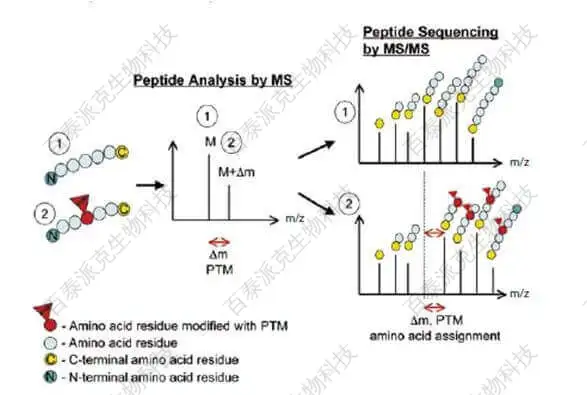
Figure 1. Schematic diagram of post-translational modification identification
Common methods for detecting protein sulfonation include:
1. Mass Spectrometry (MS):
Due to the mass increase caused by sulfonation, LC-MS/MS can be used to identify sulfonation sites. However, sulfonated peptides may lose the sulfonic acid group in MS, making identification challenging. Data interpretation in MS usually requires specific bioinformatics tools to ensure correct identification of sulfonation sites.
2. Western Blot with sulfonation-specific antibodies:
Using specific antibodies against sulfonated proteins or sulfonation sites, the sulfonation status can be detected by Western Blot.
3. Immunofluorescence staining:
Using sulfonation-specific antibodies, sulfonated proteins can be localized on cells or tissue sections through immunofluorescence staining.
4. Enzyme-Linked Immunosorbent Assay (ELISA):
Sulfonation-specific antibodies can be used to design ELISA for quantitative analysis of sulfonated proteins.
Biotech Pack BioScience - a high-quality service provider for bioproduct characterization and multi-omics mass spectrometry analysis
Related services:
Post-translational modification proteome analysis
Phosphorylation quantitative proteomics study
Acetylation quantitative proteome research
Ubiquitination quantitative proteomics study
Acylation quantitative proteomics research
Protein deamidation modification analysis
Protein oxidation modification analysis
How to order?




