






Edman Method: A Classic Biochemical Method for Revealing the N-terminal Amino Acid Sequence of Proteins
Edman degradation, also known as Edman sequencing, is a biochemical method used to determine the N-terminal amino acid sequence of a protein. This method was first proposed by American biochemist Pehr Edman in 1950 and has been continuously improved and applied over the following decades. Edman degradation is typically used to analyze the amino acid sequences of smaller proteins or peptide segments. The main steps include:
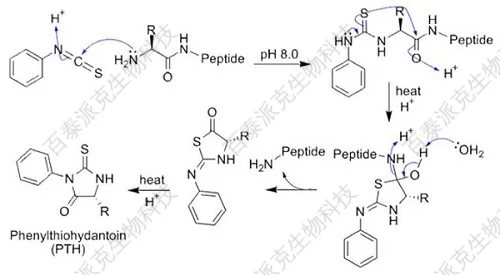
Figure 1. Edman sequencing reaction process
1. Sample preparation:
First, the target protein or peptide segment needs to be purified. Typically, the protein is reduced to its free amino acids and then reacts with a special labeling reagent, such as Edman reagent (commonly phenyl isothiocyanate), to form a labeled compound at the N-terminal amino acid.
2. Edman degradation:
The labeled compound is exposed to acidic conditions, leading to the reaction of the N-terminal amino acid with the Edman reagent to form an amino acid derivative. In this reaction, the Edman reagent substitutes with the N-terminal amino group of the target amino acid to form a stable derivative. This process typically cycles through 10 to 20 amino acids, determining one amino acid per cycle.
3. Substitution reaction:
The reacted labeled compound is collected and removed from the reaction vessel by acid-base neutralization.
4. Analysis and detection:
Analyze and detect the collected labeled compounds, usually using high-performance liquid chromatography (HPLC) and other techniques to separate and identify amino acids or amino acid derivatives. Then, the N-terminal amino acid of each cycle can be determined.
The main limitation of Edman degradation is that it is suitable for smaller proteins and peptide segments, typically between 30 to 50 amino acids. For larger proteins, other sequencing methods, such as mass spectrometry, may be required. However, Edman degradation remains a useful tool for studying the N-terminal sequences of small proteins and peptides, particularly in protein structure and function research.
BioTek BioScience - A leading service provider in biopharmaceutical characterization and multiomics mass spectrometry detection.
Related services:
N-terminal sequence analysis based on Edman degradation
Sequence analysis based on mass spectrometry
Monoclonal antibody sequencing service based on PCR amplification
N/C-terminal protein sequencing
Full protein sequence determination
How to order?




