






Overview of Protein Amino Acid Sequence Detection Methods
The detection of protein amino acid sequences is to determine the primary structure of a protein, which is the linear arrangement of amino acids. These amino acids are the building blocks of proteins and are arranged in a specific linear sequence. Understanding this primary structure is akin to deciphering the genetic code of a protein, which holds great significance across various scientific disciplines. Below are commonly used methods for detecting protein amino acid sequences:
1. Edman Degradation Method:
The Edman degradation method is one of the earliest protein sequencing methods and a classic chemical technique. This method removes amino acids one by one from the N-terminus of a protein or peptide and identifies the amino acid removed at each step.
This method can consecutively determine 20-30 amino acids, but for long-chain proteins, it may need to be combined with other methods.
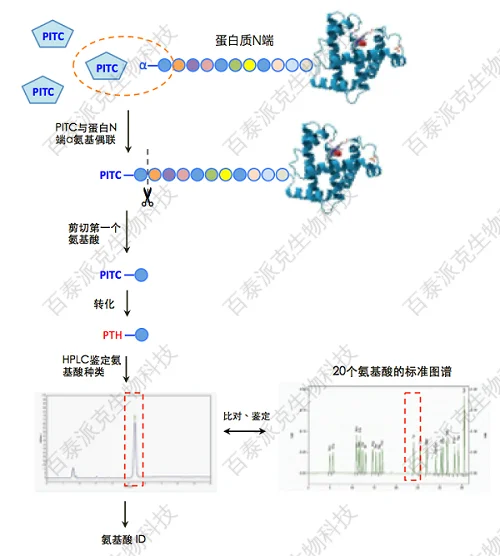
Figure 1. Edman Sequencing Experimental Workflow
2. Mass Spectrometry:
Mass spectrometry has become a powerful tool for protein sequencing. It analyzes proteins or peptides based on their mass and charge properties using a mass spectrometer to determine their amino acid composition.
When combined with specific protease digestion, mass spectrometry can be used to deduce the amino acid sequence of a protein. Modern tandem mass spectrometry techniques (such as LC-MS/MS) provide high-resolution and high-sensitivity protein sequence information.
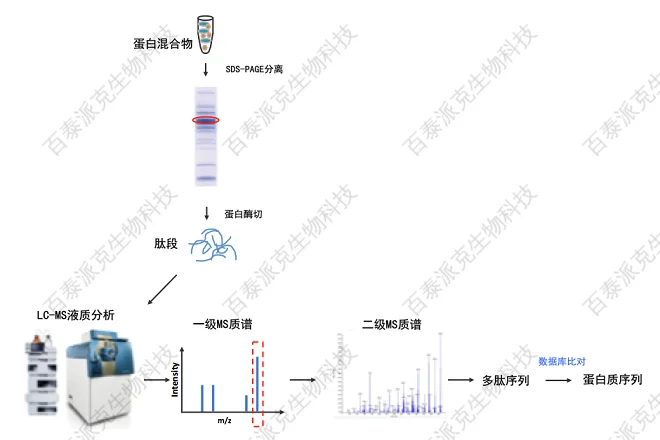
Figure 2. Mass Spectrometry Sequencing Diagram
3. Gene Sequencing:
The latest advancements in next-generation sequencing (NGS) technology have extended its applications from genomics to proteomics. NGS-based methods, such as RNA-seq and ribosome profiling, can indirectly infer protein sequences by analyzing the corresponding mRNA sequences.
Each of these methods has its advantages and limitations. Edman degradation provides accurate results for small proteins but requires a large amount of sample. Mass spectrometry is versatile and can analyze complex mixtures, but may be challenging for membrane proteins. NGS offers high throughput capabilities but relies on mRNA data, which may not provide direct protein sequence information.
BiotechPack, A Biopharmaceutical Characterization and Multi-Omics Mass Spectrometry (MS) Services Provider
Related Services:
N-terminal protein sequence analysis based on Edman degradation
Protein N/C-terminal sequencing
Biopharmaceutical N/C-terminal sequencing
Sequence analysis based on mass spectrometry
Protein sequencing based on top-down approach
Monoclonal antibody sequencing service based on PCR amplification
How to order?




