






Single-Cell Proteomics Analysis: How to Overcome the Challenges Posed by Cellular Heterogeneity?
Cells are the basic units of living organisms, each possessing unique functions and characteristics. However, heterogeneity among cells presents significant challenges for proteomics research. Traditional proteomics techniques often require large amounts of cell samples and cannot reveal the protein composition and function of individual cells. The emergence of single-cell proteomics fills this gap. This article will provide a detailed introduction to the principles and methods of proteomics, with a focus on the importance and technical strategies of single-cell proteomics analysis to overcome the challenges posed by cellular heterogeneity.
1.Principles and Methods of Proteomics
Proteomics involves the comprehensive analysis of proteins in a biological sample to study their composition and function. Common proteomics methods include mass spectrometry and high-throughput sequencing-based technologies. Mass spectrometry identifies and quantifies proteins in a sample by analyzing the mass spectrometric characteristics of peptides. High-throughput sequencing technologies provide genomic information about proteins by extensively sequencing protein-coding genes.
2.Challenges of Cellular Heterogeneity in Proteomics Analysis
Cellular heterogeneity refers to the differences between cells, including variations in gene expression, protein composition, and function. Traditional proteomics methods cannot reveal the protein composition of individual cells and require large amounts of cell samples for analysis. Such methods cannot address the challenges posed by cellular heterogeneity and fail to accurately understand the differences between cells.
3.Importance and Technical Strategies of Single-Cell Proteomics Analysis
3.1 Revealing Cell Function and Developmental Processes
Single-cell proteomics analysis can help us understand the protein composition and function of individual cells. By analyzing protein expression differences in individual cells, we can reveal the functions and developmental processes of different cell types, and gain insights into the characteristics of cells and the regulatory mechanisms of specific functions.
3.2 Deciphering Cellular Heterogeneity
Single-cell proteomics analysis can reveal the nature of cellular heterogeneity. By analyzing the protein composition of a large number of individual cells, we can determine the protein expression differences between different cell types, thereby understanding the formation mechanisms and regulatory networks of cellular heterogeneity.
3.3 Technical Strategies
To overcome the challenges posed by cellular heterogeneity, single-cell proteomics analysis employs a series of technical strategies. These include microfluidic chip technology, single-cell isolation and manipulation techniques, and improvements in mass spectrometry technologies. The application of these strategies enables high-throughput, high-sensitivity analysis of the protein composition of individual cells, thereby decoding key differences between cells.
Single-cell proteomics analysis is an important technique that allows us to gain deeper insights into the protein composition and function of individual cells by overcoming cellular heterogeneity. Single-cell proteomics analysis has broad applications in personalized medicine and biological research. With continuous technological advancements, it is believed that single-cell proteomics analysis will provide a more accurate and comprehensive perspective for understanding cell biology and disease mechanisms.
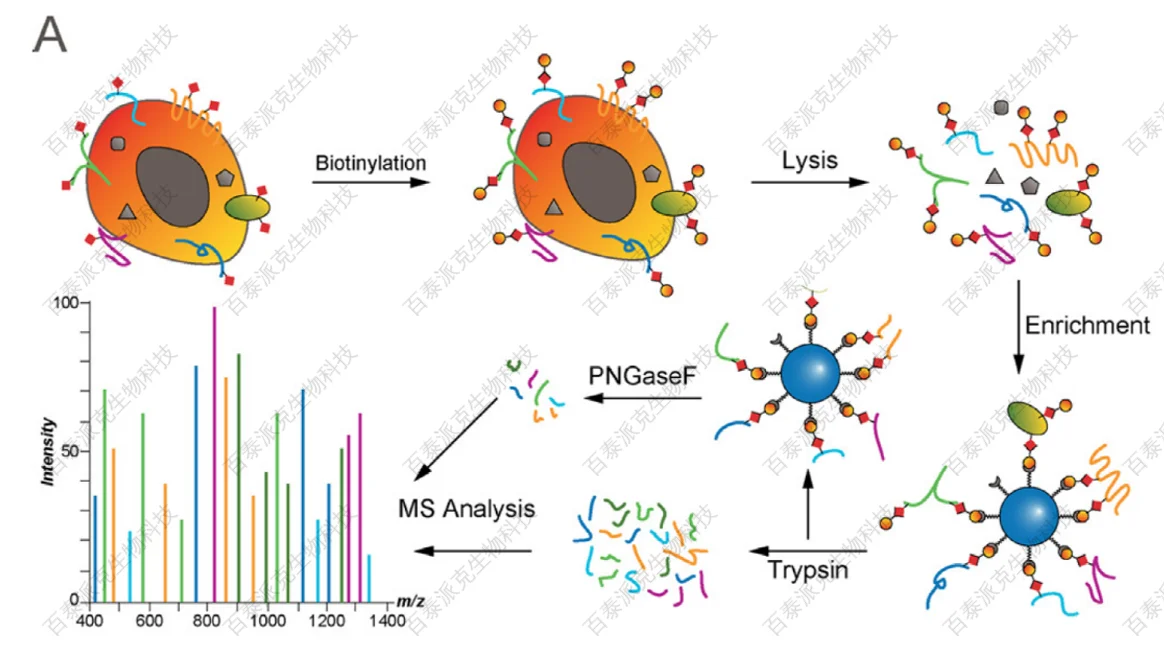
Figure 1
Biotech Solutions--BioProductsCharacterization, Multi-Omics Mass Spectrometry Detection Quality Service Provider
Related Services:
Quantitative Proteomics Analysis
Targeted Proteomics
4D Proteomics
DIA Quantitative Proteomics
Label-Free Quantitative Proteomics Analysis
Label-Based Protein Quantification Techniques - iTRAQ, TMT, SILAC
MRM/PRM Quantitative Proteomics Analysis
Sample Proteomics
Exosome Proteomics
Paraffin-Embedded Sample Proteomics
Subcellular Proteomics
Post-Translational Modification Proteomics Analysis
Proteomics Bioinformatics Analysis
Protein Mass Spectrometry Identification
Shotgun Proteomics Identification
Membrane Protein Identification Services
How to order?




