






Absolute Quantitation of Vitreous Proteins (AQUA)
The vitreous body is a gel-like transparent substance located at the back of the eye, maintaining the shape of the eyeball and playing a crucial role in keeping the retina healthy. The protein components in vitreous tissue can reflect the health status of the eyes, including retinal diseases, glaucoma, and systemic diseases such as diabetic eye complications. Therefore, detailed analysis of its protein composition is vital for ophthalmic medical research. Absolute Quantitation of Proteins (AQUA) is a method for accurately measuring the absolute amount of specific proteins or peptides. By using synthetic peptides labeled with stable isotopes at known concentrations as internal standards, AQUA allows researchers to obtain accurate concentration information of proteins.
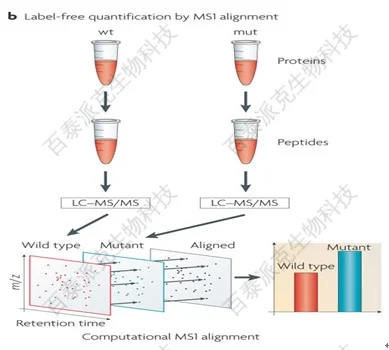
Figure 1. Absolute Quantitation Analysis (AQUA)
Sample: Vitreous Tissue
In ophthalmic research, proteomic analysis of vitreous tissue is key to exploring the mechanisms of retinal diseases. Since vitreous extraction is an invasive procedure for patients, it is essential to ensure that each extracted sample is maximally utilized. AQUA technology was developed in this context to achieve efficient and precise protein analysis.
Technology: Absolute Quantitation of Proteins
Absolute quantitation is achieved using synthetic peptides containing stable isotope labels: based on the relationship between mass spectrometry signals and protein concentration, the average mass spectrometry signal response of the three strongest tryptic peptides per mole of protein is constant with a coefficient of variation less than 10%. Given an internal standard (synthetic peptide containing isotope labels), the relationship between mass spectrometry signals and protein concentration can be used to determine a universal signal response factor (counts/mol). The universal signal response factor for all measured proteins is the same.
The simplicity, sensitivity, and widespread use of tandem mass spectrometers make the AQUA absolute quantitation analysis strategy an effective method for directly determining protein levels from cell lysates.
Advantage 1: Accuracy
Due to the use of isotope-labeled internal standards, AQUA technology can provide highly accurate quantitative information, avoiding the variable factors affecting relative quantitation.
Advantage 2: Sensitivity
This technology is particularly effective for detecting low-abundance proteins in the vitreous, making it highly potent for early disease diagnosis and monitoring.
Advantage 3: Standardization
AQUA provides a standardized method for comparing protein expression between different samples, which is crucial for clinical research and biomarker discovery.
Advantage 4: Reproducibility
The strategy of using internal standards ensures consistent results can be obtained even under different experimental conditions.
Scope of Application
1. Molecular mechanism research of ophthalmic diseases.
2. Evaluation and monitoring of drug treatment effects.
3. Development of biomarkers for retinal diseases.
4. Formulation of personalized treatment plans for patients.
The vitreous tissue protein absolute quantitation analysis technology provided by Biotech-Pack not only helps researchers reveal the complex mechanisms of eye diseases but also supports clinical diagnosis and accelerates biomarker discovery and validation processes. Our technology ensures the accuracy and reliability of experimental data, offering new perspectives for ophthalmic research and patient care. Biotech-Pack looks forward to collaborating with researchers and clinicians worldwide to advance ophthalmic disease research.
BiotechPack, A Biopharmaceutical Characterization and Multi-Omics Mass Spectrometry (MS) Services Provider
Related Services:
Absolute Quantitation Analysis (AQUA)
Quantitative Proteomic Analysis
Semi-Quantitative Proteomics Analysis
Post-Translational Modification Proteomics Analysis
MRM/PRM Quantitative Proteomics Analysis
Label-Free Quantitative Proteomics Analysis
Label-Based Protein Quantitation Technologies - iTRAQ, TMT, SILAC
TMT/iTRAQ/MultiNotch Quantitative Proteomics Analysis
SWATH Quantitative Proteomics Services
How to order?




