






Label-free and TMT, iTRAQ in Proteomics
Proteomics is the science of studying the expression, function, and structure of all proteins in a cell or tissue. This field utilizes various experimental methods to identify and quantify proteins, as well as to investigate their interactions and dynamic changes. Label-free and TMT/iTRAQ (isotope labeling) techniques are three commonly used methods in quantitative proteomics research, each with different advantages and application scenarios.
1. Label-Free Technology
Label-free, also known as label-free technology, is a method for quantitative proteomic analysis that does not rely on chemical labeling. This technique primarily depends on mass spectrometry (MS) to analyze the relative abundance of proteins or peptides in different samples. The advantage of label-free methods is that they are relatively direct and simple, requiring no complex chemical processing, thus reducing potential variability during sample processing.
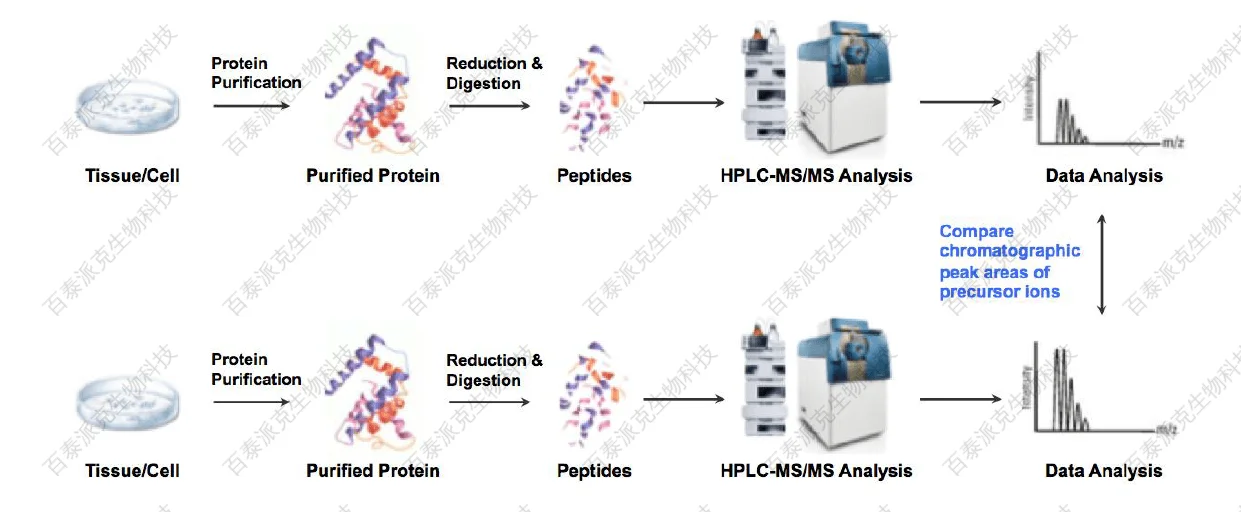
Figure 1. Label-Free Quantitative Proteomics Analysis Workflow
1. Advantages:
(1) Simple and fast, no additional labeling steps are needed.
(2) Suitable for large-scale proteomic analysis, especially when sample quantity is limited.
(3) Reduces potential biases introduced during experiments.
2. Disadvantages:
(1) Sensitivity and quantitative accuracy may not be as high as labeling methods.
(2) Data analysis can be more challenging for complex samples.
2. TMT/iTRAQ Technology
Tandem Mass Tags (TMT) and Isobaric Tags for Relative and Absolute Quantitation (iTRAQ) are two different isotope labeling techniques widely used for quantitative analysis in proteomics. Both methods use heavy isotope labeling of proteins or peptides, followed by mass spectrometry to quantify protein expression levels. TMT and iTRAQ allow for the simultaneous analysis of multiple samples, increasing the throughput and accuracy of comparative analysis.
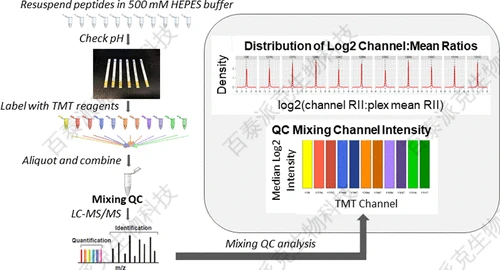
Figure 2. TMT Quantitative Proteomics Analysis Workflow
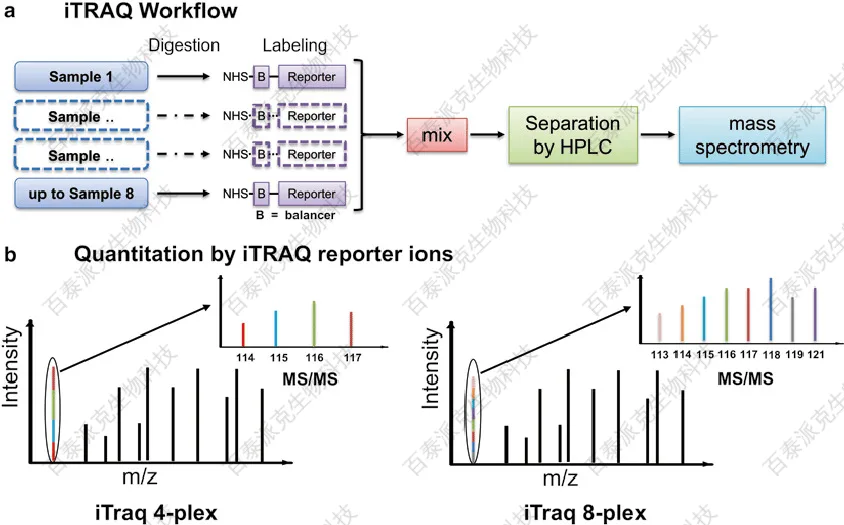
Figure 3. iTRAQ Quantitative Proteomics Analysis Workflow
1. Advantages:
(1) High throughput: capable of analyzing protein expression in up to 16 (TMT) or 8 (iTRAQ) different samples simultaneously.
(2) Improves accuracy and reproducibility, especially in complex samples.
(3) Suitable for both absolute and relative protein quantification.
2. Disadvantages:
(1) More sample processing and chemical labeling steps are needed in the experimental setup.
(2) Labeling reagent costs are relatively high.
(3) Variations in isotope labeling efficiency may occur during analysis.
The choice between Label-Free or TMT/iTRAQ technologies depends on specific research goals, sample types, budget, and the need for accuracy and throughput. Label-free technology is suitable for preliminary exploratory studies due to its simplicity and lower cost, while TMT/iTRAQ technology is better suited for in-depth quantitative analysis and large-scale comparative proteomics studies due to its high throughput and accuracy.
BiotechPack, A Biopharmaceutical Characterization and Multi-Omics Mass Spectrometry (MS) Services Provider
Related Services:
Label-Free Quantitative Proteomics Analysis
Quantitative Proteomics Analysis
Tag-Based Protein Quantification Techniques - iTRAQ, TMT, SILAC
TMT/iTRAQ/MultiNotch Quantitative Proteomics Analysis
SILAC/Dimethyl Labeling-Based Quantitative Proteomics Analysis
SWATH Quantitative Proteomics Services
2D-DIGE Quantitative Proteomics
MRM/PRM Quantitative Proteomics Analysis
Absolute Quantification Analysis (AQUA)
How to order?




