






Palmitoylation: The Silent Regulator of Proteins and Its Detection Methods
In the microscopic world of life, the behavior of proteins is subject to many subtle regulations. Among them, a modification known as palmitoylation, though not widely recognized, quietly influences the behavior and function of proteins. In this article, we will explore the impact of protein palmitoylation modifications and how to detect this silent regulator.
1. What is Protein Palmitoylation Modification
Palmitoylation is a post-translational modification that involves attaching a palmitoyl group to specific amino acid residues on proteins, affecting their structure, function, and cellular localization. This modification enhances the interaction of proteins with cell membranes, influencing various biological processes such as signal transduction and protein transport.
2. How to Detect Palmitoylation Modification
1. Biochemical Detection Methods
Biochemical detection methods mainly include radiolabeling and immunoblotting. Radiolabeling can accurately quantify the extent of protein palmitoylation but involves complex operations and the use of radioactive isotopes. Immunoblotting can detect palmitoylated proteins using specific antibodies, offering a simpler operation without the need for radioactive substances.
2. Mass Spectrometry
Mass spectrometry can be used to identify palmitoylation sites and quantify the extent of protein palmitoylation. This requires a combination of protein digestion, mass spectrometry analysis, and bioinformatics analysis.
3. Biological Significance of Palmitoylation
Palmitoylation plays an important role in many biological processes, such as protein signal transduction, establishment of cell polarity, cell proliferation, and differentiation. Therefore, studying palmitoylation helps us understand the regulatory mechanisms of these biological processes and the pathogenesis of related diseases.
Through in-depth research and detection of protein palmitoylation, we can uncover more secrets of life and provide new ideas and targets for drug development. In this process, we look forward to more researchers joining us in exploring this silent regulator.
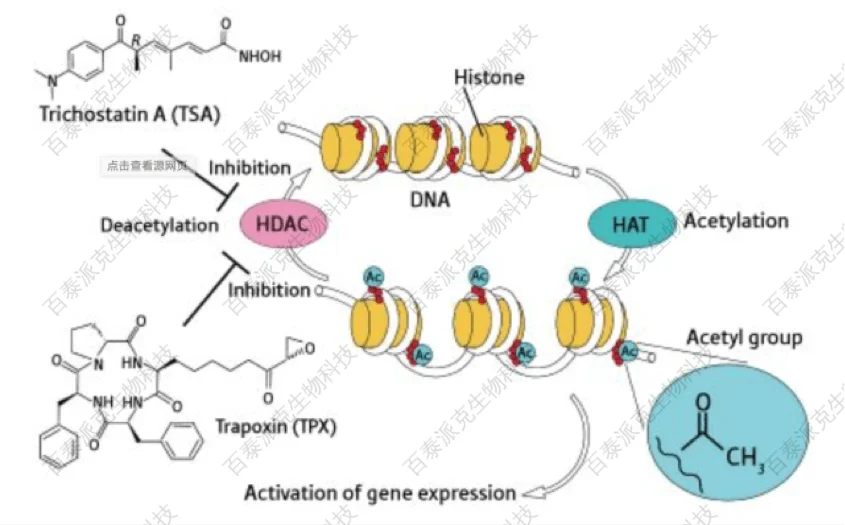
Figure 1
BiotechPack, A Biopharmaceutical Characterization and Multi-Omics Mass Spectrometry (MS) Services Provider
Related Services:
Quantitative Acetylation Proteomics
Post-Translational Modification Proteomics Analysis
Quantitative Phosphorylation Proteomics Research
Quantitative Ubiquitination Proteomics Research
Quantitative Glycosylation Proteomics Research
Protein Disulfide Bond Identification and Quantitative Analysis
Histone Post-Translational Modification Analysis
Multi-Pathway Phosphorylation Proteomics
Quantitative Methylation Proteomics Research
Quantitative Acylation Proteomics Research
How to order?




