






What technologies can be used for the detection of post-translational modifications?
In the field of biopharmaceuticals, the detection of post-translational modifications is a key component of quality control and drug development processes. Post-translational modifications refer to the chemical modifications that occur to a protein after translation, such as glycosylation, phosphorylation, and acetylation, which can affect the protein's structure, function, and stability. Accurate detection and analysis of post-translational modifications are crucial for ensuring the safety, efficacy, and consistency of drugs. This article will introduce some common techniques used for the detection of post-translational modifications.
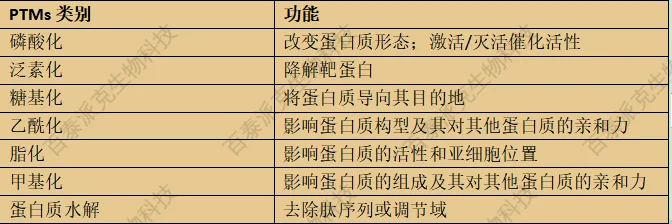
Figure 1
1.Mass Spectrometry (MS) Technology:
Mass spectrometry is a widely used analytical technique in the biopharmaceutical field. For detecting post-translational modifications, mass spectrometry can provide high-resolution and high-sensitivity analysis. Through mass spectrometers, protein samples can be ionized and analyzed by mass-to-charge ratio for identification. Mass spectrometry can be used to detect modification types like glycosylation, phosphorylation, and acetylation, and can provide information on modification sites.
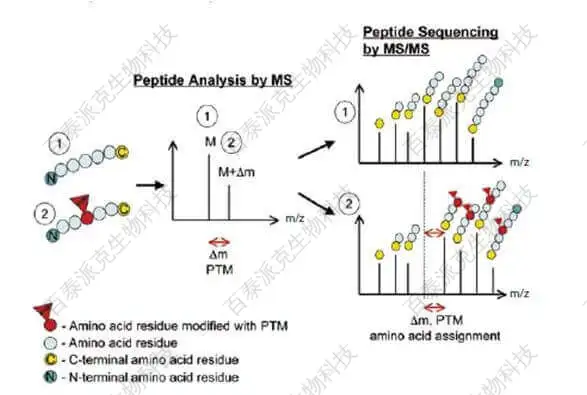
Figure 2
2.Gel Electrophoresis Technology:
Gel electrophoresis is a common method for protein separation and detection. For detecting post-translational modifications, gel electrophoresis can determine the presence of modifications by analyzing the migration speed and position of proteins during electrophoresis. For example, glycosylation modifications typically increase the molecular weight of proteins, resulting in changes in their migration position on the gel. Gel electrophoresis can be used for preliminary screening for the presence of modifications and provide qualitative and quantitative information.
3.Immunoassay Technology:
Immunoassay technologies include Enzyme-Linked Immunosorbent Assay (ELISA), Western Blotting, etc. These techniques use specific antibodies to interact with target modification structures or proteins to achieve modification detection and quantification. For example, ELISA targeting glycosylation modifications can use specific antibodies to identify and quantify glycosylated proteins.
4.Liquid Chromatography Technology:
Liquid chromatography is widely used in the biopharmaceutical field for detecting post-translational modifications. Common liquid chromatography techniques include High-Performance Liquid Chromatography (HPLC) and Ion-Exchange Chromatography. These techniques can separate different components in protein samples for modification detection and quantification. Liquid chromatography can also be combined with mass spectrometry to enhance the precision and accuracy of modification analysis.
5.Nuclear Magnetic Resonance (NMR) Technology:
Nuclear Magnetic Resonance is a very powerful analytical method used to study protein structure and dynamics. For detecting post-translational modifications, NMR can provide detailed information on modification types, locations, and their effects on protein structure. NMR is often used in combination with other analytical techniques to obtain comprehensive modification information.
In summary, there are several technologies available for detecting post-translational modifications in the biopharmaceutical field. Mass spectrometry offers high-resolution analysis and information on modification sites, gel electrophoresis is suitable for preliminary screening of modifications, immunoassay uses specific antibodies for qualitative and quantitative analysis, liquid chromatography separates different components for quantitative analysis, and NMR provides detailed structure and dynamics information. By comprehensively using these techniques, the biopharmaceutical field can better monitor and control the post-translational modification process, ensuring drug quality and consistency.
With the above techniques, we can better understand and monitor post-translational modifications in the biopharmaceutical field, providing strong support for drug research and production. The application of these technologies ensures the safety, efficacy, and quality of drugs and promotes the continuous development of the biopharmaceutical field.
BioTYPAC Biotechnology--BiologicalProductsCharacterization, a leading multi-omics mass spectrometry detection service provider
Related Services:
Post-translational Modification Proteomics Analysis
Quantitative Proteomics Analysis
4D Proteomics
Targeted Proteomics
Label-Free Quantitative Proteomics Analysis
Label-based Protein Quantification Techniques - iTRAQ, TMT, SILAC
TMT/iTRAQ/MultiNotch Quantitative Proteomics Analysis
DIA Quantitative Proteomics
MRM/PRM Quantitative Proteomics Analysis
Absolute Quantification Analysis (AQUA) Protein N/C-terminal Sequencing
Full Spectrum Protein Analysis
How to order?




