






Quantitative Proteomics

Comparison of Five Common Proteomics Quantitative Analysis Methods
Biotech company Baitai Parker provides a summary introduction of the advantages and characteristics of five common quantitative proteomics analysis methods.

Study on the Reproducibility of SWATH-MS Data
Research on the reproducibility of SWATH across different laboratories. This study statistically analyzed the reproducibility of data identified using SWATH in 11 different laboratories worldwide.

Detailed Explanation of iTRAQ/TMT Tag Structures and Relative Quantification Principles
By labeling multiple groups of different samples, iTRAQ and TMT can simultaneously compare protein level differences between normal tissue samples and tumor tissue samples, and precisely detect protein level changes at different stages of tumor development.
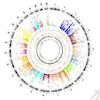
Protein Quantification Techniques and Their Applications in Clinical Research
Baitai Parker utilizes high-throughput mass spectrometry platforms to provide protein quantification services, including quantitative proteomics, protein quantification techniques, and other proteomics-related services. The company has an independent instrument analysis platform and years of experience in protein quantification, dedicated to serving you.

DDA and PRM in Proteome Analysis
DDA and PRM are different data acquisition modes in mass spectrometry. DDA is mainly used for non-targeted proteomics research, while PRM is used for targeted proteomics research. Baitai Parker provides mass spectrometry-based DDA, MRM/PRM, and DIA proteomics analysis services.
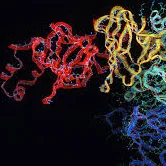
iTRAQ proteomics, or iTRAQ quantitative proteomics, is a labeled quantitative proteomics method that uses iTRAQ labeling technology and mass spectrometry technology for protein quantification. Baitai Parker provides mass spectrometry-based iTRAQ quantitative proteomics analysis services.
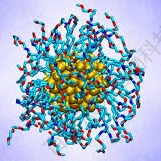
Quantitative Detection of Protein Interactions
Quantitative detection of protein interactions refers to the quantification of interacting proteins. Baitai Parker provides mass spectrometry-based SILAC and immunoprecipitation coupled mass spectrometry for quantitative analysis of protein interactions, enabling both qualitative and quantitative analysis of interacting proteomes.
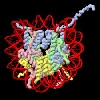
Sample Preparation Steps for DIA Proteomics
DIA proteomics refers to the detection and analysis of the proteome in samples using DIA technology (such as SWATH). Baitai Parker provides mass spectrometry-based DIA proteomics analysis services and protein sample preparation services.
Functional proteomics is a part of proteomics that aims to study the functions of proteins and the molecular mechanisms of life activities. Baitai Parker provides mass spectrometry-based functional proteomics analysis services.

Advantages of Comparative and Targeted Proteomics
Comparative proteomics and targeted proteomics each have their advantages. The choice of which to use for proteomics research depends mainly on the researcher's objectives. Baitai Parker provides mass spectrometry-based comparative and targeted proteomics analysis services.

Pharmaceutical proteomics refers to the study of the proteomics of drugs, primarily used to discover drug targets and confirm drug targets. Baitai Parker provides mass spectrometry-based pharmaceutical proteomics research services.

Differences Between Discovery and Targeted Proteomics
Targeted proteomics is usually used after discovery proteomics to quantify specific proteins identified during the discovery screening. Baitai Parker provides mass spectrometry-based discovery and targeted proteomics analysis services.

Applications of Targeted Proteomics
Targeted proteomics is a protein quantification technique characterized by high accuracy, sensitivity, and reproducibility, and is used in systems biology and biomedical research. Baitai Parker provides MRM and PRM targeted proteomics analysis services.

Proteomics for Detecting Protein Expression Levels
Proteomics detection includes detecting protein expression levels, which involves measuring the content of proteins at the omics level. Techniques such as protein mass spectrometry identification and quantitative proteomics can achieve protein expression level detection. Baitai Parker provides mass spectrometry-based quantitative proteomics analysis services.
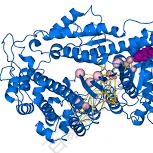
Label-Based Protein Quantification Techniques - iTRAQ, TMT, SILAC
Baitai Parker uses high-throughput mass spectrometry platforms to provide protein quantification analysis services, including iTRAQ/TMT protein quantification, SILAC protein quantification, and other proteomics services. The company has an independent mass spectrometry analysis platform with years of experience in protein quantification analysis services, committed to serving you.
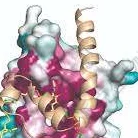
Milk proteomics involves qualitative and quantitative analysis of milk proteins to help understand the secretion mechanism of cow's milk and improve its nutritional value. Baitai Parker provides mass spectrometry-based milk proteomics analysis services.
Shotgun proteomics is a method for analyzing proteomes based on liquid chromatography and mass spectrometry, overcoming the limitations and shortcomings of traditional gel separation techniques. Baitai Parker provides shotgun proteomics analysis services.
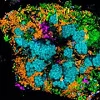
Membrane proteomics analysis refers to the qualitative and quantitative analysis of membrane proteins in cells under certain conditions or environments. Baitai Parker provides mass spectrometry-based membrane proteomics analysis services.

Metaproteomics is the large-scale qualitative and quantitative analysis of proteins to study microbial communities in the environment. Baitai Parker provides mass spectrometry-based metaproteomics analysis services.
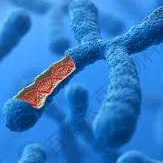
Proteomics can be used for drug target confirmation and drug mechanism of action research, improving the efficiency of new drug discovery. Baitai Parker provides proteomics analysis services.
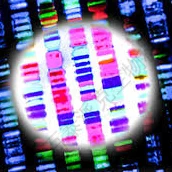
Combined Analysis of Proteomics and Transcriptomics
Proteomics and transcriptomics are important tools for obtaining gene expression information. Combined analysis of proteomic and transcriptomic data allows for a more comprehensive analysis of gene expression. Baitai Parker provides mass spectrometry-based proteomics research services.

Proteomics and metabolomics are disciplines that study the proteome and metabolome, respectively. Joint analysis of the proteome and metabolome helps to study the life activities of organisms more deeply. Baitai Parker provides mass spectrometry-based proteomics and metabolomics analysis services.

Plant proteomics analysis mainly involves analyzing the proteome of plants at different growth stages, in different environments, or in different organs. Baitai Parker provides mass spectrometry-based plant proteomics analysis services.

Multinotch proteomics combines TMT/iTRAQ quantitative proteomics. Baitai Parker provides TMT/iTRAQ-based Multinotch analysis services.

Untargeted proteomics involves analyzing the entire proteome without specifying specific proteins. Baitai Parker provides mass spectrometry-based untargeted proteomics analysis services.

Labeled Quantitative Proteomics
Labeled quantitative proteomics refers to the quantitative analysis of proteomes under the condition of isotopic labeling. Baitai Parker provides mass spectrometry-based labeled quantitative proteomics analysis services.

Absolute Quantification of Proteomes
Absolute quantification of proteomes refers to determining the absolute concentrations of different proteins at the omics level. Baitai Parker provides absolute quantification services for proteomes.

Label-free proteomics, or unlabeled proteomics, refers to the qualitative and quantitative analysis of proteins using liquid chromatography-mass spectrometry without isotopic labeling. Baitai Parker provides label-free proteomics analysis services.

Differential proteomics refers to the study of differential proteins at the omics level, which can refer to different kinds of proteins between samples or proteins with different content between samples. Baitai Parker provides mass spectrometry-based differential proteomics analysis services.
DIA proteomics uses DIA technology (such as SWATH) to study the proteome, while iTRAQ proteomics uses iTRAQ technology for proteome research. Baitai Parker provides SWATH proteomics and iTRAQ proteomics analysis services.

Quantitative proteomics is a discipline that studies the content and changes of proteomes. Baitai Parker provides mass spectrometry-based quantitative proteome analysis services.
SILAC proteome or SILAC quantitative proteomics refers to the quantitative study of proteomes using SILAC technology. Baitai Parker provides SILAC-based quantitative proteome analysis services.

DIA proteomics refers to using DIA technology for proteomics research. DIA has advantages such as high reproducibility and quantitative accuracy, with SWATH being a type of DIA technology. Baitai Parker provides SWATH quantitative proteomics services.
SWATH is a data-independent acquisition mode based on mass spectrometry, mainly used in protein quantification and host protein analysis research. Baitai Parker provides SWATH quantitative proteomics services.

TMT is a chemical labeling technology primarily combined with mass spectrometry for quantitative proteomics research. Baitai Parker provides mass spectrometry-based TMT quantitative proteomics analysis services.

Proteomics MRM refers to using MRM technology for proteomics research, mainly used for the quantitative study of target proteins, allowing for precise quantification of multiple target proteins in complex samples at once. Baitai Parker provides MRM quantitative proteomics analysis services.

PRM proteomics refers to using PRM to study the proteome, allowing for targeted quantification of target proteomes, including absolute and relative quantification. Baitai Parker provides PRM quantitative proteomics analysis services.

Protein Interaction Proteomics Analysis
Protein interaction proteomics analysis, also known as interaction proteomics analysis, refers to the analysis of interacting proteins at the omics level. Baitai Parker provides mass spectrometry-based protein interaction proteomics analysis services.
iTRAQ Analysis of Protein Mass Spectrometry
iTRAQ analysis of protein mass spectrometry refers to the technique of analyzing proteins using both iTRAQ labeling technology and mass spectrometry. It is mainly used in quantitative proteomics analysis. Baitai Parker provides mass spectrometry-based iTRAQ protein analysis services.

Mass Spectrometry Analysis of Proteomics
Mass spectrometry analysis of proteomics involves using mass spectrometry technology to study and analyze the proteome. Mass spectrometry analysis is a key technology in proteomics research. Baitai Parker provides mass spectrometry-based proteomics analysis services.

Quantitative Mass Spectrometry Analysis
Quantitative mass spectrometry analysis refers to using mass spectrometry to perform quantitative analysis of samples. Protein quantitative mass spectrometry analysis involves using mass spectrometry to quantify the proteome. Baitai Parker provides mass spectrometry-based quantitative proteome analysis services.
Mass Spectrometry Analysis of Protein Expression Differences
Mass spectrometry analysis of protein expression differences involves using mass spectrometry technology to study differences in protein expression. Studying protein expression differences can help us understand the essence of life activities. Baitai Parker provides mass spectrometry-based protein expression difference analysis services.
Looking for Disease Biomarkers or Drug Targets? Protein Phosphorylation Analysis Can Help!
Protein phosphorylation is involved in many signaling pathways and cellular metabolic processes, and many known diseases are also related to abnormal protein phosphorylation.
How to order?




