






Fluorescence Spectral Analysis
Fluorescence spectroscopy (also known as fluorescence analysis or spectrofluorometry) is an electromagnetic spectroscopy method that measures the intensity of photons emitted by a sample after it absorbs photons. In fact, most fluorescent molecules are aromatic, such as tryptophan in proteins/peptides. Optical techniques such as UV-Vis, Circular Dichroism (CD), Fourier Transform Infrared (FTIR), and fluorescence spectroscopy are used to obtain structural, interaction, and dynamic information about the compounds being tested. Fluorescence spectroscopy is an important research tool for studying the real-time structure and dynamics of proteins/peptides in solution and under a microscope.
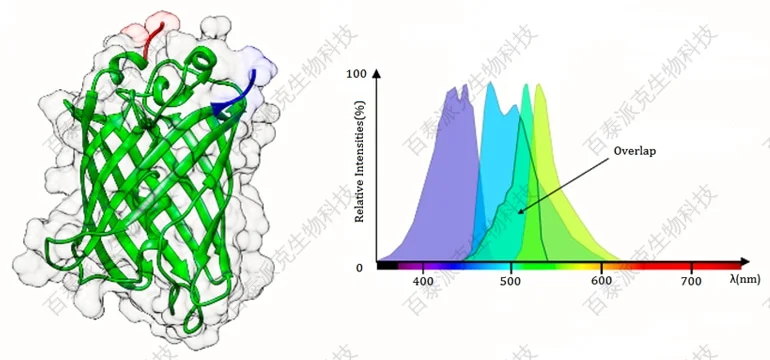
Fluorescence Spectroscopy Analysis
Biopharmaceuticals, especially protein and peptide drugs, face unique challenges throughout the entire development process. Before successful approval and market launch, a thorough understanding of the biophysical, biochemical properties, and 3D structure of therapeutic proteins/peptides is required since the activity, stability, toxicity, efficacy, and shelf life of the product can be affected by structure-activity relationships. Unlike small molecules, these large molecules require a combination of multiple analytical methods for analysis. Fluorescence spectroscopy can be applied to: 1. Detect structural changes or the binding of two molecules by changes in fluorescence intensity; 2. Locate tryptophan residues through tryptophan fluorescence wavelengths (on the protein surface or buried inside the protein); 3. Study the mobility of fluorophores through fluorescence polarization and anisotropy.
How to order?




