






Peptide Drug Residual Solvent Analysis
Polypeptide drugs are bioactive molecules composed of multiple amino acids linked by peptide bonds. Typically, they consist of 10 to 100 amino acids and have a relative molecular mass of less than 10,000. Most polypeptide drugs are derived from endogenous peptides or natural peptides, thus they have little to no side effects on the human body. Compared to protein-based drugs, polypeptide drugs have advantages such as better stability, higher purity, lower production cost, and lower immunogenicity. With the rapid development and maturation of peptide synthesis technology, polypeptide drugs have become a focus in the development of biopharmaceuticals in recent years. Currently, polypeptide drugs are widely used incancer treatment,autoimmune diseases, certain cardiovascular diseases, diabetes, etc.diagnosis and treatment, with broad application prospects.
In the production of polypeptide drugs, organic solvents such as ethanol, acetone, and dichloromethane are often used. These solvents may remain in the final drug product as 'residual solvents.' The presence of residual solvents can affect the quality and stability of the drug, and some solvents may also pose potential toxic effects on the human body. Therefore, analyzing residual solvents in polypeptide drugs is a crucial step in drug quality control. The analysis of residual solvents in polypeptide drugs has also become a research hotspot in polypeptide drug analysis.
Residual solvent analysis involves detecting and quantifying solvents that may be present in drugs, typically using methods such as gas chromatography and high-performance liquid chromatography. Among these, gas chromatography is the most commonly used method for analyzing residual solvents. It separates the solvents from the sample based on their volatility at different temperatures and uses detectors for detection and quantification. In addition, there are other analytical methods such as infrared spectroscopy and nuclear magnetic resonance, which can provide structural information about the solvents to assist in their identification and quantification.
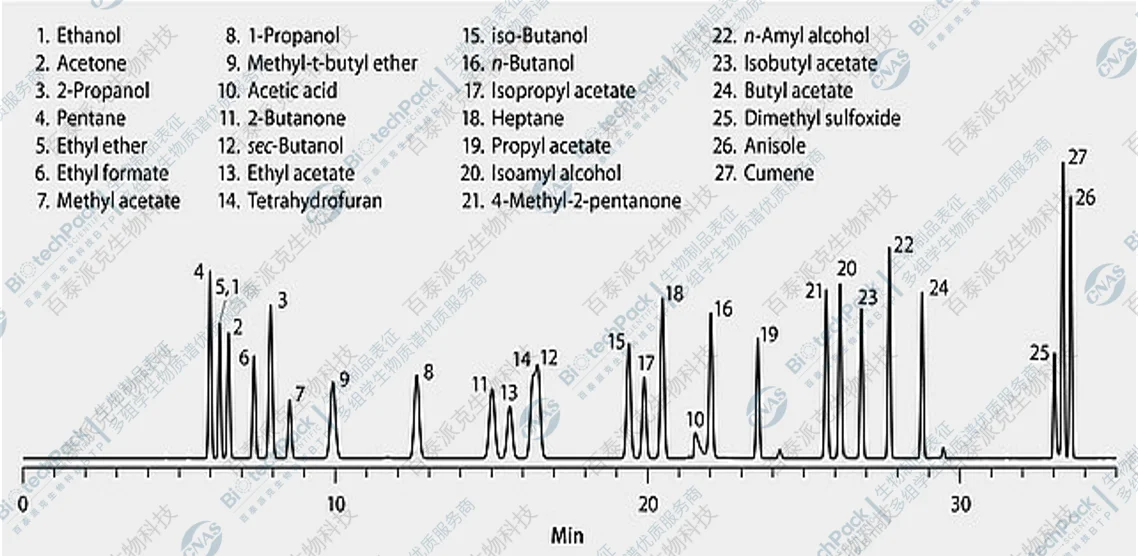
BiologicalProductsCharacterization of Residual Solvent AnalysisDiagram
BTP Biotech adoptsISO9001certified quality control system to manage laboratories, and has receivedCNASlaboratory accreditation, providing customers with drug quality research services compliant with global regulatory standards.Weofferone-stopresidual solvent analysis services for polypeptide drugs. You only need to inform us of your experimental purpose and send the samples. BTP Biotech is responsible for all subsequent project processes, including sample processing, instrumental analysis, data analysis, and project reporting.
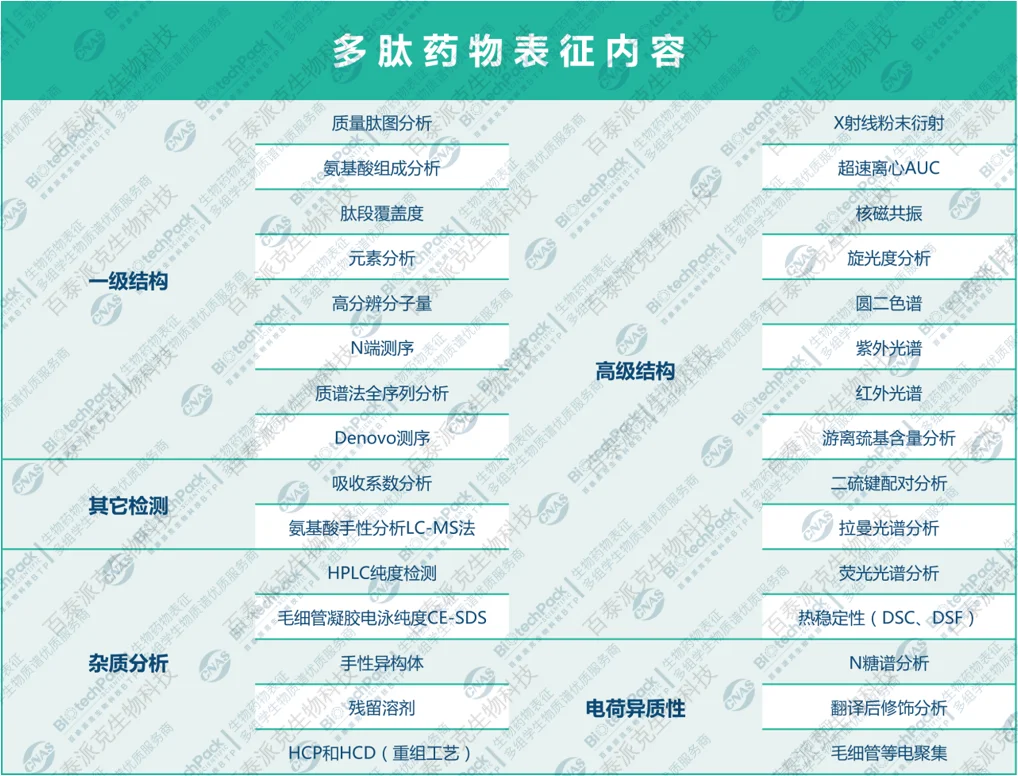
BTP BiotechPolypeptide DrugsCharacterization
Related Services
Analysis of Product-Related Impurities
How to order?




