






How to Use Cross-Linking Mass Spectrometry to Analyze the Structure of Peptides in Complex Samples?
In the field of biopharmaceuticals, peptide drugs are highly regarded for their efficiency and relatively low toxicity. However, due to the structural complexity of peptides, a comprehensive understanding of their properties and functions is crucial. Cross-linking mass spectrometry is a powerful tool that provides valuable assistance in unraveling the mysteries of peptide structures in complex samples. This article will introduce cross-linking mass spectrometry in detail, from principles to applications, guiding you into this fascinating scientific domain.
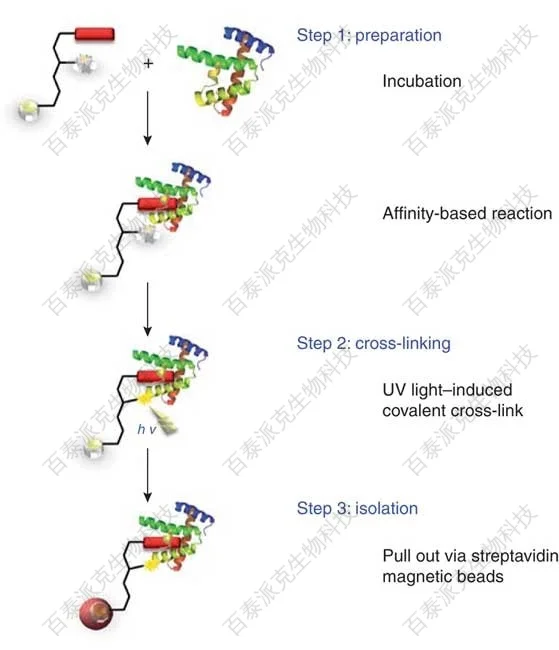
Figure 1
1.Basic Principles of Cross-linking Mass Spectrometry:
Cross-linking mass spectrometry is an important branch of mass spectrometry, primarily used to study the structure and interactions of proteins and peptides. Its basic principle involves using cross-linkers to 'connect' different functional regions within proteins or peptides, forming a cross-linked compound. These cross-linked compounds are then analyzed and detected using a mass spectrometer.
2.Experimental Procedure:
a. Cross-linker Selection: Choosing an appropriate cross-linker is critical for experimental success. Commonly used cross-linkers include silicon dioxide, formaldehyde, etc.
b. Cross-linking Reaction: React the sample with the cross-linker to promote cross-linking among peptides.
c. Enzymatic Digestion: To further improve the accuracy of mass spectrometry analysis, enzymatic digestion of the cross-linked compounds is needed to break them into smaller fragments.
d. Mass Spectrometry Analysis: Inject the digested sample into the mass spectrometer and analyze the mass spectra to deduce the structure of the cross-linked compounds.
3.Applications of Cross-linking Mass Spectrometry in Peptide Structure Analysis:
a. Peptide Drug Structure Research: Cross-linking mass spectrometry offers a reliable method for studying the precise structure of peptide drugs. By analyzing the mass spectra of cross-linked compounds, scientists can determine the connectivity between different amino acid residues in peptides, thus revealing their spatial structure.
b. Protein Complex Analysis: Many biological processes involve interactions between proteins and other biomolecules. Cross-linking mass spectrometry can help us understand the composition and structure of protein complexes, thus providing insights into their functions and regulatory mechanisms.
c. Disease Biomarker Research: Certain disease states can cause abnormal expression or structural changes in specific peptides. Cross-linking mass spectrometry can help identify these changes, providing new clues for disease diagnosis and treatment.
4.Challenges and Future Prospects of Cross-linking Mass Spectrometry:
Despite its great potential in peptide structure analysis, cross-linking mass spectrometry still faces several challenges. Issues such as sample complexity, cross-linker selection, and mass spectrometry analysis interpretation need continuous improvement and refinement. In the future, we can expect significant advancements in resolution, sensitivity, and automation, providing strong support for broader biopharmaceutical research.
5.Conclusion
As an important tool in the field of biopharmaceuticals, cross-linking mass spectrometry provides crucial information for deciphering peptide structures in complex samples. By understanding the basic principles and experimental procedures of cross-linking mass spectrometry, we can better appreciate its applications in peptide drug development, protein interactions, and disease biomarker research. With continuous technological advancements, cross-linking mass spectrometry will continue to play a significant role in the biopharmaceutical field, driving progress and innovation in medical science.
Biotech Pioneer - BiologicalProductsCharacterization, Multi-omics Mass Spectrometry Detection High-Quality Service Provider
Related Services:
Cross-linking Method Protein Interaction Analysis
Protein Interaction Analysis
Protein Interaction Mass Spectrometry Analysis
CO-IP Co-immunoprecipitation Protein Interaction Analysis
GST Pull-down Protein Interaction Analysis
SILAC and Co-immunoprecipitation Mass Spectrometry Combined Protein Interaction Analysis
Far-Western Blot Analysis
Label Transfer Method Protein Interaction Analysis
Pull-down Target Protein Mass Spectrometry Identification
How to order?




