






What are the common methods for detecting protein interactions? How to choose the appropriate method?
Protein-protein interactions are a complex and crucial process within organisms, playing significant roles in cellular signaling, regulation of biological processes, and more. Understanding the interactions between proteins is of great importance for biopharmaceutical research and disease treatment. In this article, we will introduce common methods for detecting protein-protein interactions and how to select appropriate techniques to delve deeper into the mysteries of protein interactions.
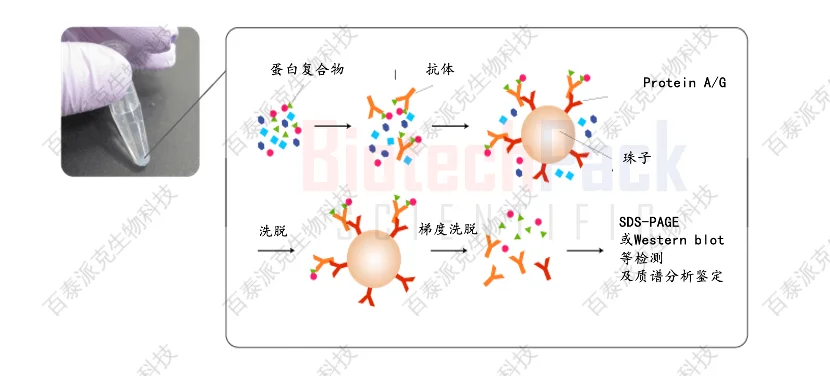
Figure 1
I. Common Methods for Detecting Protein-Protein Interactions
1.Co-Immunoprecipitation (Co-IP)
Co-immunoprecipitation is a commonly used method for detecting protein-protein interactions. This technique involves using specific antibodies to bind to a target protein, followed by precipitation of the target protein and its interacting partners using protein A/G magnetic beads or agarose particles. Finally, techniques like Western blot are employed to detect the components of the complex, thereby revealing the interactions between proteins.
2.Yeast Two-Hybrid (Y2H)
Yeast two-hybrid is a high-throughput screening technique for protein-protein interactions. This method uses the transcription activation domain and DNA binding domain in yeast cells to identify protein interactions. When two proteins interact, the transcription activation domain and DNA binding domain come together, triggering the expression of a reporter gene. This approach efficiently screens a large number of interacting protein partners.
3.Surface Plasmon Resonance (SPR)
Surface plasmon resonance is a technique for real-time monitoring of protein-protein interactions. This method involves immobilizing one protein on a metal surface, then injecting another protein sample, and using light reflection to monitor the binding and dissociation processes. SPR provides information on the binding kinetics and affinity of protein interactions.
4.Nuclear Magnetic Resonance (NMR)
Nuclear magnetic resonance is a high-resolution technique for analyzing protein-protein interactions. This method uses NMR spectroscopy to study the structure and dynamic changes of protein complexes. NMR provides valuable information on the structure, interface, and dynamics of protein interactions.
5.Fluorescence Resonance Energy Transfer (FRET)
FRET is a microscopy technique for real-time monitoring of protein-protein interactions. This method uses fluorescently labeled proteins to study the distance and interactions between proteins. When two labeled proteins are in proximity, energy transfer occurs, leading to changes in the fluorescence signal, thereby revealing the interaction status of the proteins.
II. How to Choose the Appropriate Method
1.Protein Properties and Characteristics
Choosing the appropriate method for detecting protein-protein interactions requires considering the properties and characteristics of the proteins. For example, techniques like SPR or NMR are more suitable for studying the structure and dynamic changes of large protein complexes, while yeast two-hybrid is appropriate for high-throughput screening of small protein complexes.
2.Experimental Goals and Research Questions
The experimental goals and research questions are also important factors in selecting a method. If the goal is to screen for partners interacting with a specific protein, high-throughput techniques like yeast two-hybrid are suitable choices. If the aim is to understand binding kinetics and affinity, techniques like SPR or NMR are more appropriate.
3.Experimental Conditions and Cost Considerations
Experimental conditions and costs are also considerations when selecting a method. Some techniques require complex experimental conditions and equipment and are more costly, while others are simpler and more economical.
III.Conclusion
Protein-protein interactions form a complex regulatory network within organisms, and their study is of significant importance for biopharmaceuticals and disease treatment. When selecting detection methods, it is essential to consider factors such as protein properties, experimental goals, and experimental conditions. By choosing appropriate techniques, we can gain deeper insights into the mysteries of protein interactions, providing strong support for research and applications in the biomedical field.
Bio-Techne - BiotechnologyProductsCharacterization, multi-omics mass spectrometry detection service provider
Related Services:
Crosslinking Protein Interaction Analysis
Far-Western Blot Analysis
Label Transfer Protein Interaction Analysis
Pull-down Target Protein Mass Spectrometry Identification
How to order?




