






Protein Cross-Linking Experiment Procedure Guide: From Sample Preparation to Interaction Analysis
Proteins are essential molecular machines within living organisms, involved in nearly all biological processes. To gain deeper insights into the functions and interactions of proteins, scientists have developed various experimental methods. Among these, protein cross-linking experiments are commonly used techniques that can help researchers determine the interactions between proteins. This article provides a step-by-step guide to protein cross-linking experiments, from sample preparation to interaction analysis, to help you better understand this important experimental technique.
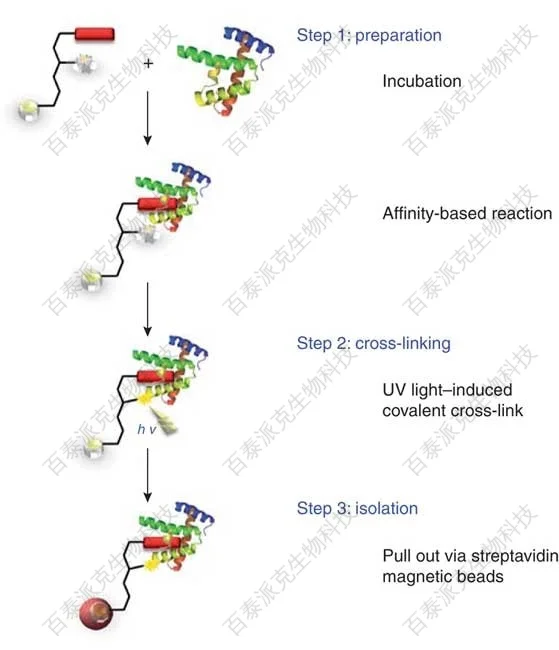
Figure 1
Step 1: Sample Preparation
Before conducting a protein cross-linking experiment, samples must be prepared. Samples can be purified proteins or cell or tissue extracts. Purified protein samples can be used directly, while cell or tissue extracts require appropriate processing and purification to remove interfering substances.
Step 2: Cross-linking Reagent Selection
Choosing the right cross-linking reagent is a critical step in protein cross-linking experiments. Common cross-linking reagents include chemical cross-linkers and photo-cross-linkers. Chemical cross-linkers can form covalent bonds to link proteins together, while photo-cross-linkers use UV light to activate and produce high-energy reactive species for protein cross-linking. Select the appropriate cross-linking reagent based on the experimental needs and sample characteristics.
Step 3: Cross-linking Experiment Operation
When conducting a protein cross-linking experiment, pay attention to the following key steps:
1. Addition of Cross-linking Reagent
Add the selected cross-linking reagent to the sample, usually in an appropriate buffer. The concentration of the cross-linking reagent and the reaction time need to be optimized according to experimental requirements.
2. Cross-linking Reaction
After thorough mixing with the cross-linking reagent, perform the cross-linking reaction under appropriate temperature and time conditions. The reaction time and temperature need to be optimized according to the characteristics of the cross-linking reagent and the sample.
3. Reaction Termination
After the cross-linking reaction is complete, it is necessary to stop the reaction promptly to prevent further cross-linking. Common methods for stopping the reaction include adding a reducing agent or heating the sample.
4. Sample Processing
After completing the cross-linking reaction, the sample needs to be processed to remove impurities and cross-linking reagents. Common processing methods include washing, centrifugation, and protein solubilization.
Step 4: Interaction Analysis
Upon completing the protein cross-linking experiment, interaction analysis can be conducted. Common methods for interaction analysis include gel electrophoresis, mass spectrometry analysis, and co-immunoprecipitation. These methods help researchers determine the interactions between proteins and further understand the functions and regulatory mechanisms of proteins.
Protein cross-linking experiments are an important experimental technique that can help researchers study protein interaction relationships. Through sample preparation, cross-linking reagent selection, cross-linking experiment operation, and interaction analysis, reliable experimental results can be obtained. It is hoped that this step-by-step guide will help you better understand and apply protein cross-linking experimental techniques, advancing research progress in the field of biopharmaceuticals.
Biotech Pack Bioscience -- BiotechnologyProductsCharacterization, Multi-omics Mass Spectrometry Detection High-Quality Service Provider
Related Services:
Cross-linking Method Protein Interaction Analysis
Protein Interaction Mass Spectrometry Analysis
CO-IP Co-immunoprecipitation Protein Interaction Analysis
GST Pull-down Protein Interaction Analysis
SILAC and Co-immunoprecipitation Mass Spectrometry Combined Protein Interaction Analysis
How to order?




