






Histone Methylation Detection
Mass spectrometry can be used to detect post-translational modifications of histones, including histone methylation. Biotech company Biotree offers mass spectrometry-based histone methylation detection services.
Histone Methylation
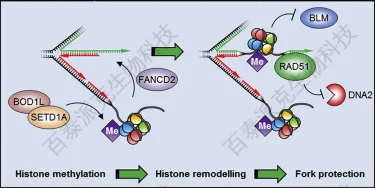
Histones are the main protein components of eukaryotic chromatin and play a role in gene regulation. Post-translational modifications of histones are crucial for nuclear integrity as they can regulate chromatin structure and recruit enzymes involved in gene regulation, DNA repair, and chromosome condensation. Histone methylation is a type of post-translational modification that can occur on the side chains of lysine (K) and arginine (R) residues of histones, with lysine capable of being mono-, di-, or tri-methylated, and arginine capable of being mono- or di-methylated. Histone methylation is a reversible process catalyzed by histone methyltransferases (HMTs) such as PRMT1 or Suv39H, while demethylation is catalyzed by histone demethylases such as LSD1 or proteins containing a Jumonji domain. The regulatory outcome of histone methylation on gene transcription status depends on the methylated residue and the degree of methylation.
Histone Methylation Detection
Histone Methylation Detection
Histone methylation detection includes determining whether histones have undergone methylation, identifying which amino acid has been methylated, and the level of methylation. There are various methods for detecting histone methylation, such as antibody-based methods and mass spectrometry-based methods. Mass spectrometry-based methods can qualitatively and quantitatively detect histone methylation and other post-translational modifications of histones.
Related Services
Post-Translational Modification Analysis of Histones
Quantitative Proteomics Study of Methylation
How to order?




