






Q-TOF Peptide Mapping Analysis Steps
Q-TOF (Quadrupole-Time of Flight) mass spectrometer is a device that combines quadrupole and time-of-flight mass spectrometry (TOF) technologies. It integrates the selective ion transmission of quadrupole mass spectrometry with the high resolution and high precision measurement capabilities of time-of-flight mass spectrometry. It is commonly used in peptide mass spectrometry analysis, particularly in protein identification and proteomics research. Q-TOF mass spectrometry is characterized by high mass accuracy and high resolution in peptide measurement.
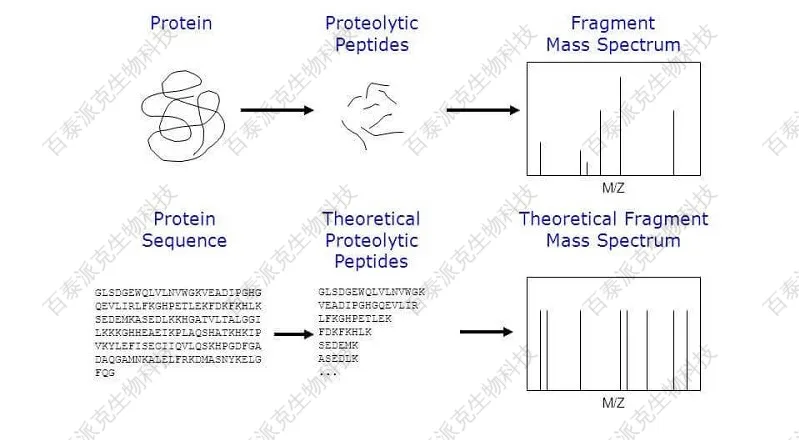
Figure 1
The basic steps of Q-TOF peptide mapping analysis are roughly as follows:
1. Sample Preparation:
- Protein extraction: Extract proteins from biological samples.
- Protein digestion: Use enzymes (such as trypsin) to digest proteins into peptides.
2. Peptide Separation:
- HPLC: Choose suitable chromatographic columns and gradient conditions to separate mixed peptides through high-performance liquid chromatography (HPLC).
3. Mass Spectrometry Analysis:
- Peptide ionization: In the Q-TOF ion source, peptides are ionized and converted into gaseous ions.
- Precursor ion selection: The quadrupole selects specific precursor ions to enter the collision cell.
- Collision-induced dissociation: Precursor ions are energized and dissociated in the collision cell to generate fragment ions.
- Time-of-flight analysis: Measure the m/z values of fragment ions using the TOF analyzer.
4. Data Processing and Analysis:
- Peptide identification: Identify peptide sequences by matching fragment ion spectra of peptides with predicted or database spectra.
- Protein identification: Identify corresponding proteins by linking identified peptides.
- Quantitative analysis: For quantitative experiments, compare the abundance changes of peptides under different samples or conditions.
- Bioinformatics analysis: Deeply explore the biological significance of proteins and modifications.
5. Results Verification:
(1) Verify whether the identified proteins are consistent with the experimental background and purpose.
(2) Conduct further verification experiments on important proteins or peptides, such as re-conducting mass spectrometry analysis or other biochemical experiments.
Bioyork Biotech - Characterization of biologics, high-quality mass spectrometry detection services for multi-omics.
Related services:
HPLC Quality Peptide Mapping Analysis
How to order?




