






Mass Spectrometry Detection of Glycosylation Sites
Mass Spectrometry (MS) is a widely used biotechnology for identifying glycosylation sites on proteins or other biomolecules. Glycosylation is a common post-translational modification that significantly impacts protein function and stability. Glycosylation sites are typically specific amino acid residues on proteins or other biomolecules that interact with sugar molecules. Here are the general steps for using mass spectrometry to detect glycosylation sites:
1. Sample Preparation:
First, the sample to be analyzed, typically a protein or peptide, needs to be prepared. These samples may already have glycosylation modifications, or glycosylation substrates may need to be added during the experiment.
2. Removal of Non-glycosylated Residues:
To accurately detect glycosylation sites, chemical methods or enzymatic techniques are usually employed to remove non-glycosylated amino acid residues.
3. Mass Spectrometry Analysis:
Once the sample is prepared, it can be analyzed using a mass spectrometer. Common techniques include tandem mass spectrometry (MS/MS) and liquid chromatography-mass spectrometry (LC-MS). During mass spectrometry analysis, molecules in the sample are ionized and separated based on their mass-to-charge ratio (m/z). The resulting mass spectrometry data can be used to determine the presence of glycosylation modifications and potential glycosylation sites.
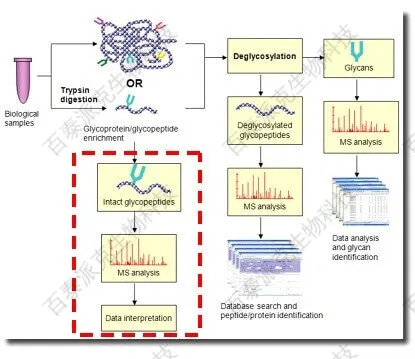
Figure 1. Glycosylation Modification Research Workflow
4. Data Interpretation:
For MS/MS data, analyzing the mass-to-charge ratio and intensity of fragment ions can help determine glycosylation sites. Bioinformatics tools and databases can be used to aid in the identification of potential glycosylation modifications and sites.
BiotechPack, A Biopharmaceutical Characterization and Multi-Omics Mass Spectrometry (MS) Services Provider
Related Services:
Post-translational Modification Proteomics Analysis
How to order?




