






Application of Nuclear Magnetic Resonance in the Characterization of Primary Structures of Bioactive Molecules
In the field of research and development of biopharmaceuticals, nuclear magnetic resonance (NMR) technology has become an essential tool for gaining a deep understanding of the structure and function of bioactive molecules. This article will explore the application of NMR technology in the characterization of the primary structure of bioactive molecules and how this technology brings revolutionary changes to the pharmaceutical industry.
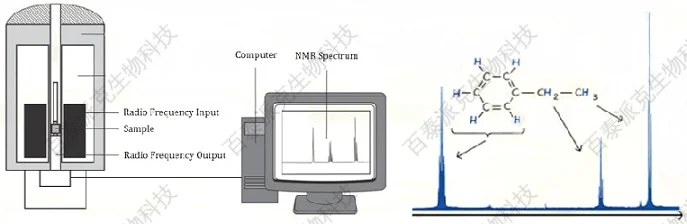
Figure 1
Firstly, NMR technology can provide detailed information about the primary structure of bioactive molecules. The primary structure refers to the chemical bonds between atoms in biomolecules, such as the amino acid sequence in proteins. Through NMR technology, we can accurately determine the position and chemical environment of atoms within a biomolecule, thereby revealing the molecule's primary structure. This is crucial for understanding the function and stability of biomolecules.
Secondly, NMR technology can observe the dynamic behavior of bioactive molecules at the atomic level. This allows scientists to study the stability and activity of biomolecules under different conditions, providing critical information for drug design. For example, by observing the NMR signals of proteins at different temperatures and pH values, researchers can understand the stability and folding dynamics of proteins, providing a basis for drug screening and optimization.
Additionally, NMR technology can be used to study the interactions between bioactive molecules and their targets. This is of significant importance in the targeted drug design process during drug development. Through NMR technology, scientists can observe the binding process between bioactive molecules and their targets, providing critical information for drug design. This helps researchers develop drugs with greater selectivity and specificity, thereby enhancing drug efficacy and reducing side effects.
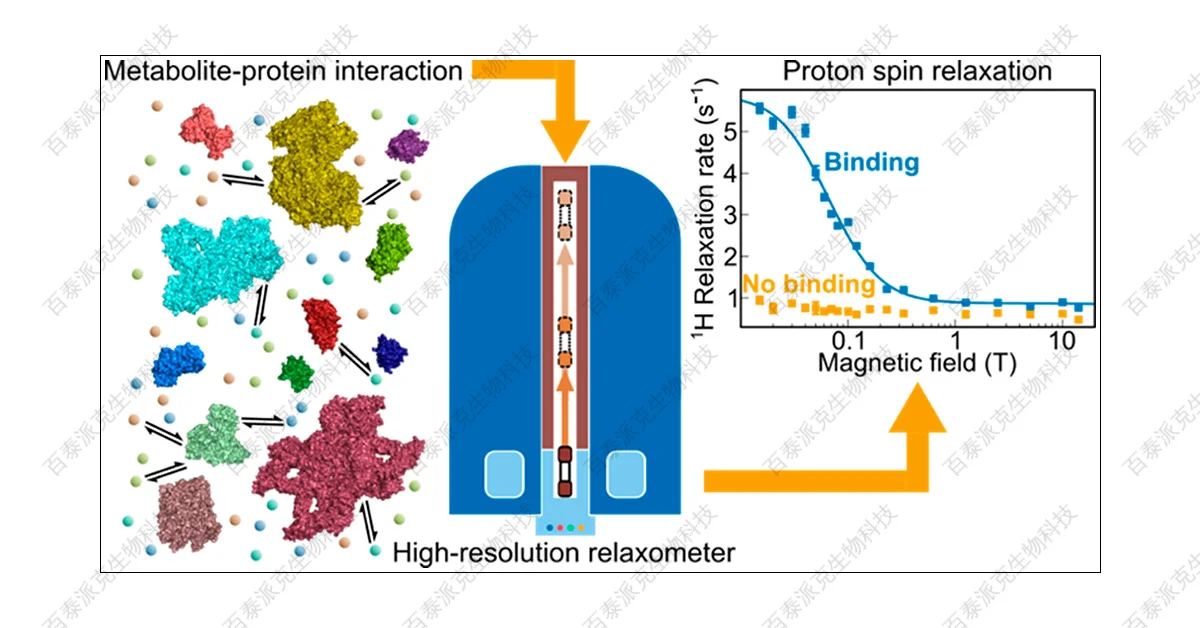
Figure 2
Finally, the application of NMR technology in the study of bioactive molecules has broad prospects. With the continuous development and optimization of NMR technology, its application in biopharmaceutical research and development will become more widespread. For example, NMR technology can be used to study bioactive molecules within cells, providing important information for studying cell signaling and metabolic pathways. Additionally, NMR technology can be used to study the structure and function of biological macromolecules, providing key insights into the mechanisms of action of these molecules.
In summary, NMR technology holds great potential in the characterization of the primary structure of bioactive molecules. Through this technology, scientists can gain a deeper understanding of the structure and function of bioactive molecules, bringing revolutionary changes to the pharmaceutical industry. With the ongoing development and optimization of NMR technology, we have reason to believe that this technology will play an increasingly important role in future biopharmaceutical research and development.
Bio-Techne Biotech--Characterization of Biopharmaceuticals, High-Quality Mass Spectrometry Services for Multi-Omics
Related Services:
Nuclear Magnetic Resonance (NMR) Analysis
Polymer Analysis Based on NMR Spectroscopy
Dynamic Light Scattering (DLS) Analysis
Fourier Transform Infrared (FT IR) Analysis
Fluorescence Spectroscopy Analysis
How to order?




