






Detection of Protein Acetylation
Protein acetylation is an important post-translational modification that typically involves the transfer of an acetyl group from acetyl-CoA to the lysine residues of proteins. This modification is critical for regulating protein function, localization, and interactions, playing a central role particularly in the regulation of gene expression.
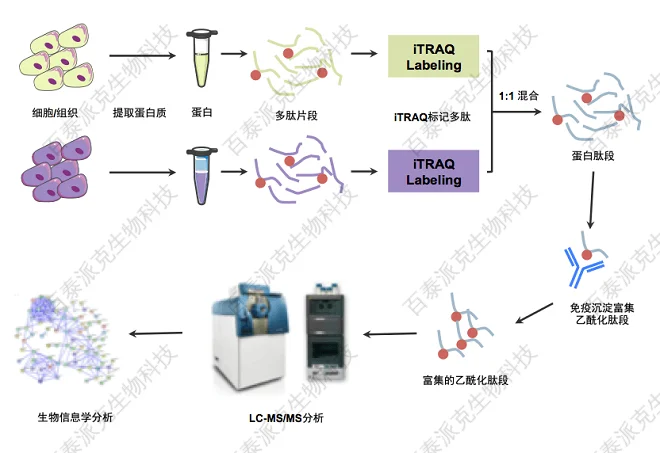
Figure 1. Research pathway of acetylation modification
Mass spectrometry is an efficient analytical technique for detecting protein acetylation, capable of identifying and quantifying acetylation modifications on proteins. This process can be roughly divided into the following steps:
1. Protein extraction: First, proteins are extracted from biological samples. This usually involves cell lysis, tissue homogenization, and the use of elution buffers to separate proteins.
2. Protein digestion: The extracted proteins are digested with specific enzymes (commonly trypsin) to produce smaller peptide fragments.
3. Enrichment of acetylated peptides: Since acetylation modifications may only constitute a small proportion of the proteins, specific affinity chromatography methods (such as using anti-acetyl lysine antibodies) are needed to enrich the acetylated peptides.
4. Mass spectrometry analysis: The enriched peptides are sent to the mass spectrometer for analysis. Peptides are ionized in the instrument and then separated and detected based on their mass-to-charge ratio (m/z). By analyzing the mass-to-charge ratio and fragmentation patterns of the peptides, their sequences and the types and positions of modifications can be determined.
5. Data processing and analysis: Mass spectrometry data is processed with specific software to identify acetylated peptides and locate acetylation sites. This software can quantify the abundance of modifications and compare them with non-modified peptides.
6. Bioinformatics analysis: Identified acetylation sites and proteins typically require further bioinformatics analysis to understand their potential functions and significance in biological processes.
Mass spectrometry is a highly precise tool that can detect very low abundance protein modifications, making it an ideal choice for studying protein acetylation.
Biotech PacBio BioTech -- Quality service provider for bioproduct characterization, multi-omics mass spectrometry analysis
Related services:
Quantitative acetylation proteomics research
Post-translational modification proteomics analysis
Histone post-translational modification analysis
Quantitative proteomics analysis
Label-free based quantitative proteomics analysis
Label-based protein quantification techniques - iTRAQ, TMT, SILAC
How to order?




