






How to Use Chemical Protein Mass Spectrometry Technology to Analyze the Composition and Characteristics of Complex Samples?
With the continuous development of the biopharmaceutical field, our understanding of proteins within living organisms is becoming increasingly important. As one of the most crucial functional molecules in living organisms, proteins play significant roles such as enzymes, antibodies, and hormones. However, the complexity of protein composition in living organisms poses challenges for accurate identification and study. In the past, researchers often used traditional protein identification techniques, but due to their limitations, it was difficult to analyze the protein composition and characteristics in complex samples. The emergence of chemical proteomics identification technology offers new possibilities for solving this problem.
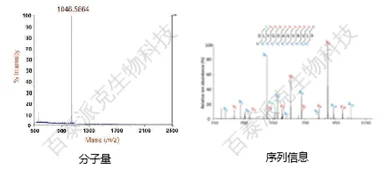
Figure 1
I. Introduction to Chemical Proteomics Identification Technology
Chemical proteomics is a highly efficient and precise protein analysis method. It combines mass spectrometry analysis with chemical methods, allowing for high-throughput and high-sensitivity identification and quantitative analysis of proteins in complex samples. The core of this technology is to ionize protein molecules in the sample through a mass spectrometer, separate them in a magnetic field, and then determine the mass and sequence information of the proteins based on the mass-to-charge ratio. By comparing with protein sequences in databases, proteins in complex samples can be accurately identified.
II. Importance of Proteomics Research
Proteomics is an important research direction in the biopharmaceutical field. Understanding the composition, structure, and function of proteins in living organisms is crucial for revealing physiological and pathological processes. Particularly in disease diagnosis, drug development, and personalized medicine, the application of proteomics has shown great potential. However, due to the high heterogeneity and low abundance of proteins in complex samples, traditional research methods often fall short. At this time, the high sensitivity and high-throughput characteristics of chemical proteomics identification technology can be fully utilized.
III. Applications of Chemical Proteomics Identification Technology
1.Biomarker Identification:In clinical diagnosis and treatment, the discovery and identification of biomarkers are crucial. Chemical proteomics identification technology can screen potential markers related to diseases from biological fluid samples, providing strong support for early diagnosis and disease monitoring.
2.Drug Development:Chemical proteomics identification technology plays an important role in drug development. By analyzing the interaction between drugs and target proteins, it can assess the affinity and specificity of drugs, optimize drug design, enhance efficacy, and reduce side effects.
3.Protein Modification Studies:Many proteins undergo various chemical modifications within cells, such as phosphorylation and methylation. These modifications have significant impacts on protein function and regulation. Chemical proteomics identification technology can help us accurately detect and quantify these modifications, providing deeper insights into the biological functions of proteins.
IV. Technical Challenges and Prospects
Although chemical proteomics identification technology has great advantages in analyzing protein composition and characteristics in complex samples, it still faces some challenges. Sample preparation, spectrum interpretation, and data analysis require continuous improvement and optimization. In the future, with the continuous emergence of new technologies, chemical proteomics identification technology is expected to become more efficient and accurate, injecting new vitality into the development of the biopharmaceutical field.
The emergence of chemical proteomics identification technology brings new hope for solving the challenges of analyzing protein composition and characteristics in complex samples. Its application not only promotes the development of the biopharmaceutical field but also holds the promise of having a profound impact on disease diagnosis, drug development, and personalized medicine. Through continuous in-depth research and technological innovation, we believe that chemical proteomics identification technology will reveal more unknown aspects of the proteome within living organisms.
Biotai Pack Biotech - BiologicalProductsCharacterization, High-quality Multi-omics Mass Spectrometry Detection Service Provider
Related Services:
Pull-down Target Protein Mass Spectrometry Identification
Protein Structure Identification
Determination of Protein Primary Structure
Protein Circular Dichroism Analysis
Peptide Mass Spectrometry Identification
Protein SUMOylation Identification
How to order?




