






Comparison of Protein Characterization Methods: Choosing the Best Technique for Sample Analysis
Proteins are crucial functional molecules within living organisms and are of great significance in understanding biological processes and disease mechanisms. Protein characterization is a key step in studying protein structure and function. With technological advances, many methods for protein characterization have emerged, such as mass spectrometry, X-ray crystallography, and nuclear magnetic resonance. This article will compare the advantages and disadvantages of different protein characterization methods to help readers select the best technique to analyze samples.
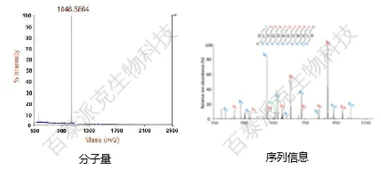
Figure 1
1. Mass Spectrometry
Mass spectrometry is a common method for protein characterization. By measuring the mass and mass-to-charge ratio of protein molecules, it can determine molecular weight, amino acid sequence, and modifications. Mass spectrometry offers high sensitivity and high resolution, allowing for the analysis of complex sample mixtures. However, mass spectrometry requires sample pretreatment and high-cost equipment, which might not be suitable for large-scale proteomics studies.
2. X-ray Crystallography
X-ray crystallography determines the three-dimensional structure of proteins by measuring the diffraction pattern of protein crystals exposed to X-rays. It offers high resolution and precision, providing detailed structural information. However, the crystallization process is challenging, requiring purified high-quality protein samples, and structural analysis demands significant time and resources.
3. Nuclear Magnetic Resonance
Nuclear magnetic resonance (NMR) studies protein structure and dynamics by measuring the behavior of nuclear spins in protein samples. NMR offers high resolution and is non-destructive, allowing direct observation of protein structures and dynamics in solution. However, NMR is challenging for large molecules, requiring high concentration samples and extended experimental time.
4. Surface Plasmon Resonance
Surface plasmon resonance (SPR) studies protein structure and interactions by measuring their interaction with metal surface plasmons. SPR provides high sensitivity and real-time monitoring, capable of studying protein binding dynamics and interaction networks. However, SPR requires specialized equipment and surface modifications and may not be suitable for complex samples.
5. Selecting the Best Technique for Sample Analysis
Choosing the best technique for sample analysis requires considering multiple factors, including sample nature, research objectives, and experimental conditions. For small molecular weight proteins, mass spectrometry is a commonly used method. For large molecular weight proteins, X-ray crystallography and NMR can provide more detailed structural information. For studying dynamic changes and interaction networks of proteins, SPR is more suitable. Therefore, when selecting a protein characterization method, it is essential to consider these factors comprehensively and choose based on actual needs.
Conclusion
Protein characterization is an important means of studying protein structure and function, with each method having its own advantages and disadvantages. Mass spectrometry, X-ray crystallography, NMR, and SPR are common protein characterization methods. Choosing the best technique for sample analysis requires comprehensive consideration of sample nature, research objectives, and experimental conditions. It is hoped that this article provides readers with some reference and guidance when selecting protein characterization methods.
Biotech Park BioTech--BiologicalProductsCharacterization, Leading Provider of Multi-Omics Mass Spectrometry Services
Related Services:
Pull-down Target Protein Mass Spectrometry Identification
Protein Structure Identification
Determination of Protein Primary Structure
Circular Dichroism Spectroscopy Analysis of Proteins
Peptide Mass Spectrometry Identification
Identification of Protein SUMOylation
How to order?




