






Protein Mass Spectrometry: A Comprehensive Comparison of Peptide Purity Detection Methods
Proteins are essential components within living organisms, playing a crucial role in understanding biological functions and drug development. As the building blocks of proteins, the purity of peptides is vital for ensuring the accuracy of experimental results and the safety of drugs. This article introduces protein mass spectrometry as a commonly used method for peptide purity analysis and provides a comprehensive comparison with other common methods.
1. What is Protein Mass Spectrometry
Protein mass spectrometry is an analytical technique based on mass-to-charge ratio (m/z) that ionizes peptide or protein molecules and accelerates them to a certain speed before measuring their mass and relative abundance using a mass spectrometer. Protein mass spectrometry can provide information on the molecular weight, sequence, and modifications of peptides or proteins, making it a powerful analytical tool.
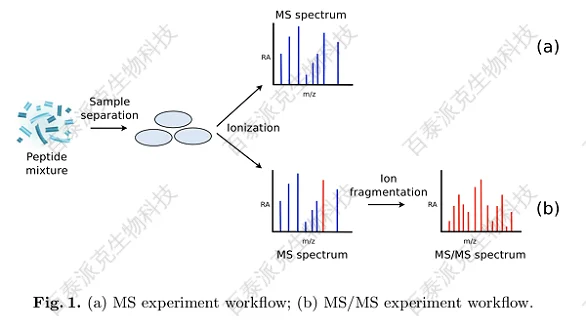
Figure 1
2. Advantages of Protein Mass Spectrometry
Compared to traditional peptide purity detection methods, protein mass spectrometry has several advantages:
2.1 High Sensitivity
Protein mass spectrometry can detect very low concentrations of peptides or proteins, even reaching sub-picomolar sensitivity. This makes it highly valuable in drug development and biological research.
2.2 High Resolution
Protein mass spectrometry can provide high-resolution mass spectra, allowing accurate measurement of the mass of peptides or proteins. This is crucial for determining peptide sequences and modification sites, especially in complex samples.
2.3 Versatility
Protein mass spectrometry can be applied to different types of peptides or proteins, including natural peptides, synthetic peptides, and protein drugs. This makes it a versatile method for peptide purity analysis.
3. Comparison of Protein Mass Spectrometry with Other Peptide Purity Detection Methods
In addition to protein mass spectrometry, there are many other common peptide purity detection methods, such as high-performance liquid chromatography (HPLC) and gel electrophoresis. The following is a comparison of these methods with protein mass spectrometry.
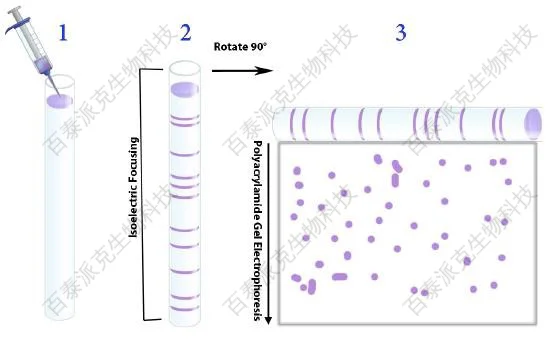
Figure 2
3.1 Sensitivity
Protein mass spectrometry has a significant advantage in sensitivity, capable of detecting lower concentrations of peptides or proteins. In contrast, HPLC and gel electrophoresis have lower sensitivity, which may pose challenges for detecting low-concentration samples.
3.2 Resolution
Protein mass spectrometry has higher resolution, providing more accurate mass spectra. HPLC and gel electrophoresis have relatively lower resolution, which may pose challenges for analyzing complex samples.
3.3 Versatility
Protein mass spectrometry can be applied to different types of peptides or proteins, offering higher applicability. HPLC and gel electrophoresis are relatively limited in sample types, with lower applicability.
3.4 Cost and Operational Complexity
Protein mass spectrometry involves higher equipment and operational costs and requires professional technicians to operate and interpret results. In contrast, HPLC and gel electrophoresis have lower equipment and operational costs and are easier to use.
Conclusion
Protein mass spectrometry, as a commonly used method for peptide purity detection, offers significant advantages in sensitivity, resolution, and versatility. However, its equipment and operational costs are higher, requiring professional technicians for operation. Therefore, when selecting a peptide purity detection method, it is important to consider experimental needs and resource availability. Hopefully, this article will help in understanding protein mass spectrometry and its comparison with other methods.
BiotechPack, A Biopharmaceutical Characterization and Multi-Omics Mass Spectrometry (MS) Services Provider
Related Services:
Peptide Mass Spectrometry Identification
2D Gel Electrophoresis Service
Molecular Weight Determination
Peptide Biomarker Identification
How to order?




