






Decoding Mass Spectrometry for Molecular Weight Measurement: Experimental Steps and Precautions
1. Introduction
Mass spectrometry is a technique for determining molecular weight based on the principle of mass-to-charge ratio. In the field of biopharmaceutical proteomics, mass spectrometry is widely used for molecular weight identification and quantitative analysis of proteins. This article will focus on the experimental steps and precautions for mass spectrometry-based molecular weight measurement techniques.
2. Sample Preparation
Sample preparation is the first step in mass spectrometry for molecular weight measurement. It is important to ensure the purity and stability of the sample, avoiding interference from salts, impurities, etc., in the mass spectrometry analysis. For complex samples, protein enrichment and purification are usually required.
3. Selection and Operation of Mass Spectrometers
Selecting the appropriate mass spectrometer is crucial in mass spectrometry for molecular weight measurement. Common mass spectrometers include time-of-flight mass spectrometers (TOF-MS) and ion trap mass spectrometers. Different mass spectrometers have variations in sensitivity, resolution, and mass range. When operating a mass spectrometer, one should strictly follow the instrument manual to ensure proper functioning.
4. Acquisition and Analysis of Mass Spectrometry Data
The experimental process of mass spectrometry molecular weight measurement generates a large amount of mass spectrometry data. Data acquisition and analysis require the use of mass spectrometry data processing software. In data analysis, attention should be paid to peak selection, signal-to-noise ratio assessment, and data calibration to ensure accurate determination of protein molecular weight.
5. Experimental Precautions
The following points should be noted when conducting mass spectrometry for molecular weight measurement:
a) Sample preparation must strictly avoid contamination to prevent affecting measurement results;
b) When operating the mass spectrometer, maintain the stability and accuracy of the instrument to avoid data errors due to improper operation;
c) For complex samples, multiple analytical techniques may need to be used to cross-verify results to improve reliability.
6. Applications and Outlook
Mass spectrometry-based molecular weight measurement plays an important role in the field of biopharmaceutical proteomics. By accurately determining the molecular weight of proteins, we can gain a deeper understanding of the structure and function of proteins in biological systems. In the future, with continuous technological advancements, mass spectrometry for molecular weight measurement will play an increasingly important role in biopharmaceutical development and disease research..
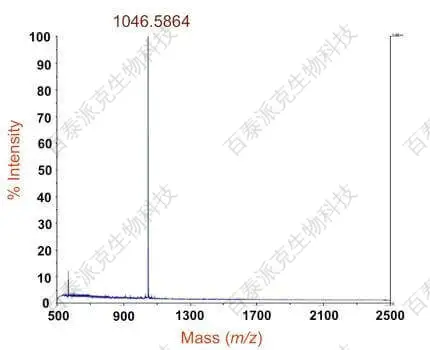
Figure 1
Biotech Peptide - BiosciencesCharacterizationA leading provider of multi-group biomolecular mass spectrometry detection services
Related Services:
Protein Molecular Weight Determination
Protein Spot, Gel Strip, and IP Sample Protein Identification
Peptide Mass Spectrometry Identification
Shotgun Proteomics Identification
Membrane Protein Identification Services
Pull-down Target Protein Mass Spectrometry Identification
Protein-Protein Interaction Mass Spectrometry Analysis
Post-Translational Modification Proteomics Analysis
Protein N/C Terminal Sequencing
Full Spectrum Protein Analysis
Protein Tandem Mass Spectrometry Identification
Interaction Protein Mass Spectrometry Identification
Protein Complex and Protein-Small Molecule Complex Molecular Weight Determination
High-Resolution Mass Spectrometry Molecular Weight Identification
MALDI TOF Molecular Weight Analysis
Accurate Mass Determination
How to order?




